

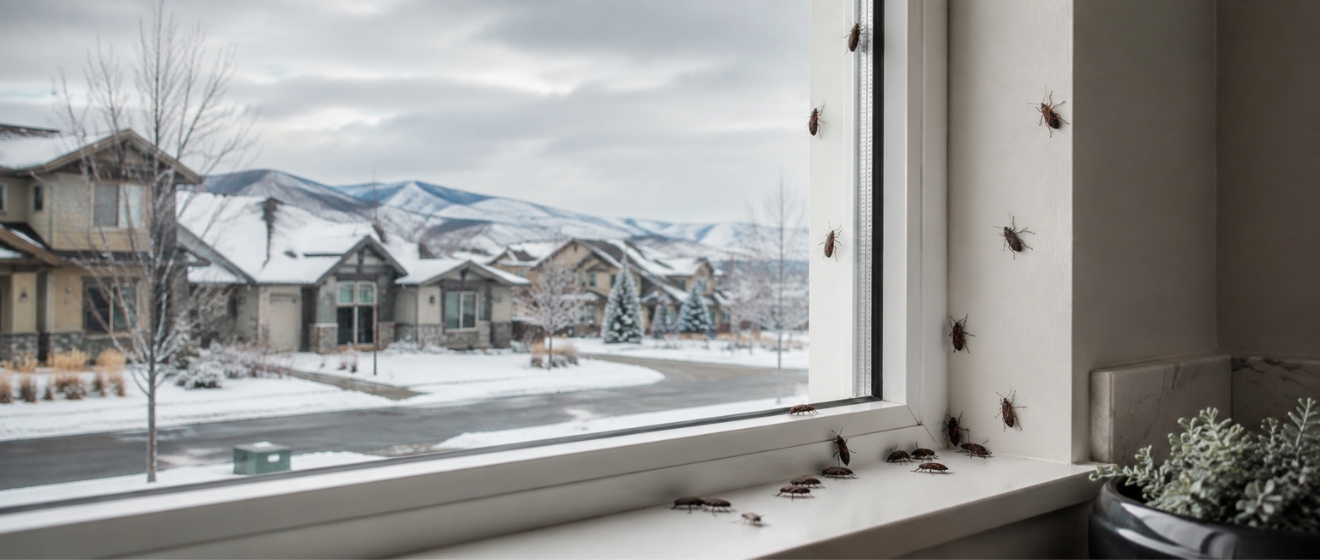
Cold weather can make indoor bug sightings feel sudden. One week the house seems quiet, and the next there are insects near windows, ceilings, or basement walls. In many cases, the bugs entered earlier and remained hidden until indoor heat or sunlight made them active. Other pests continue moving indoors as exterior conditions deteriorate. Wild West Pest Control’s Boise residential pest control helps identify the species, locate the source, and determine whether the activity represents an active infestation or seasonal overwintering.
Many Fall Invaders Arrive Before Winter
Boxelder bugs, elm seed bugs, and certain beetles begin seeking shelter during late summer and fall. They gather on warm exterior walls and explore gaps around windows, siding, rooflines, vents, and utility openings. Once inside, they settle into wall voids, attics, and other protected spaces.
Cold outdoor temperatures may reduce visible movement, but the insects have not necessarily left. Heat from the home or direct sunlight on a wall can wake them. They then follow light toward windows and living spaces, creating the impression that they appeared overnight.
The Windows Are Often the Destination, Not the Entry Point
Homeowners frequently find winter insects on windowsills and assume they entered through the glass or frame. Some do use window gaps, but others emerge from a ceiling edge, baseboard, wall void, or attic and travel toward daylight. The room where they are collected may not reveal the original exterior access point.
Vacuuming visible insects is usually cleaner than crushing them. Boxelder bugs can stain surfaces, while elm seed bugs may release an unpleasant odor. The vacuum contents should be sealed and discarded outside. Indoor spraying around every window may leave unnecessary residue without reaching insects concealed deeper in the structure.
Warm Indoor Areas Support Other Pests
Some insects are not simply waiting out winter. Cockroaches, pantry pests, flies, and other species can reproduce indoors when food, moisture, and suitable temperatures are available. Repeated sightings of different life stages, activity near food, or insects concentrated around plumbing may indicate an indoor population.
Identification is essential. A small beetle on a windowsill could have come from outdoors, stored food, natural-fiber materials, or a dead insect accumulation in a void. Treatment aimed at the wrong source will not resolve the pattern.
Moisture Can Turn One Room Into a Pest Zone
Leaky pipes, condensation, damp crawl spaces, and poorly ventilated storage areas attract pests that need moisture. Earwigs, silverfish, springtails, centipedes, and the small insects spiders feed on may become concentrated around bathrooms, laundry rooms, basements, or utility spaces.
Repairing the moisture source is part of pest control. Check beneath sinks, around water heaters, near floor drains, and where cold surfaces collect condensation. Dehumidification and airflow improvements may be helpful, but an unexplained leak or building issue should be evaluated by the appropriate professional.
Firewood, Decorations, and Stored Items Can Carry Bugs Inside
Fall and winter routines introduce new pathways. Firewood may shelter spiders, beetles, and other insects. Holiday decorations stored in garages, sheds, or attics can carry pests or egg sacs. Potted plants brought indoors may contain insects in foliage or soil.
Inspect items before bringing them into living areas. Store firewood outside and away from the house, then bring in only what will be used soon. Open decoration containers in a garage or another easy-to-clean area first. Vacuum shelves and storage zones before repacking items.
When the Problem May Be Rodent-Related
Some homeowners use “bugs” to describe any unexplained pest evidence. Droppings in cabinets, gnawed packages, and scratching in walls point toward rodents rather than insects. Mice stay active throughout winter and can enter through small gaps around garages, utilities, vents, foundations, and rooflines.
Rodent evidence calls for a different inspection and control plan. Avoid assuming that small dark droppings are insect debris. A professional can distinguish droppings, shed skins, frass, egg cases, and other material without requiring the homeowner to handle it.
How to Reduce Cold-Weather Bug Sightings
Replace damaged door sweeps and weatherstripping. Repair screens and seal appropriate gaps around pipes, cables, trim, and siding. Keep vents functional while protecting them with suitable screening. Reduce cardboard and clutter in garages, basements, and storage rooms.
Store dry food, pet food, birdseed, and grass seed in sealed containers. Clean crumbs and spills, correct moisture problems, and remove accessible webs. Keep exterior lighting and vegetation from concentrating insects immediately beside entry doors.
Identification Comes Before Treatment
A few overwintering insects require a different response from an indoor breeding infestation. The species, number, location, and timing all matter. Save a clear photo or an intact specimen in a sealed container when it can be done safely. Note where and when the bugs appear.
Wild West Pest Control understands the pests that move through Boise and Treasure Valley homes as temperatures fall. A technician can identify what is active, explain why it is appearing, and focus service on the source. Contact Wild West Pest Control when cold-weather bugs keep showing up or the pest cannot be confidently identified.