
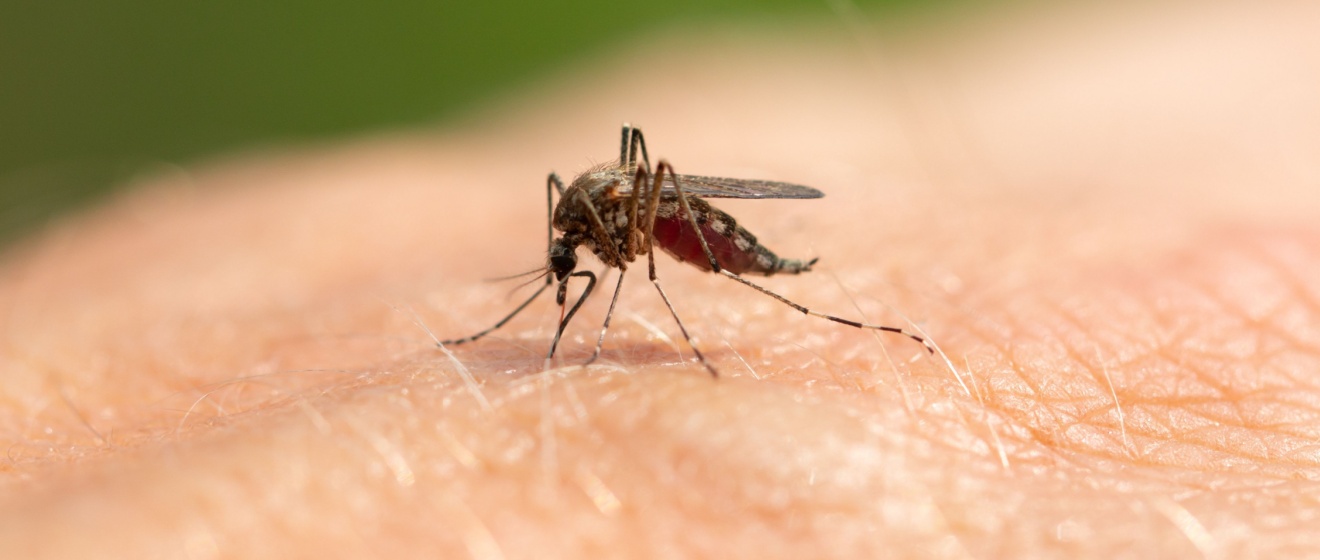
For a city in the high desert that averages only about 12 inches of rain per year, Boise has a mosquito problem that surprises a lot of residents. You would think a dry climate would mean fewer mosquitoes—and in an unirrigated landscape, it would. But the Treasure Valley is not an unirrigated landscape. The combination of the Boise River, the extensive canal and irrigation system, and millions of gallons of residential and agricultural water applied across the valley every summer creates mosquito breeding habitat on a scale that the natural desert climate would never produce. Here is why mosquitoes in Boise are as bad as they are—and what actually works to reduce them.
Why Boise Produces So Many Mosquitoes
- The Boise River: The river corridor runs directly through the heart of the metro area, creating miles of riparian habitat—slow-moving water, backwater pools, vegetated banks, and seasonal wetlands—that support mosquito breeding throughout the warm months. Homes near the river, the Greenbelt, and any of the tributaries and side channels experience the heaviest pressure.
- The canal and irrigation system: The Treasure Valley’s agricultural heritage left behind an extensive network of irrigation canals, laterals, and ditches that crisscross the metro area. Many of these canals run directly through or between residential neighborhoods. They carry standing and slow-moving water from April through October, creating linear mosquito breeding habitats that stretches across the entire valley.
- Residential irrigation: Every irrigated lawn, planting bed, and garden in Boise creates standing water, saturated soil, and humid microclimates at the property level. Puddles that form from overwatering, broken sprinkler heads that create pools in low spots, and clogged drainage that holds water after irrigation runs—all of it produces mosquitoes. The individual contribution from any single yard is small, but multiplied across an entire metro area of irrigated properties, the cumulative effect is enormous.
- Warm summer evenings: Boise’s summer temperatures routinely reach the 90s and occasionally exceed 100 degrees during the day. But the evenings cool into the 60s and 70s—the ideal temperature range for mosquito activity. The extended daylight hours (over 15 hours in June) give mosquitoes a long, warm evening feeding window. This is why Boise backyards become unusable after about 7:00 PM from June through August.
- The development pattern: As the Treasure Valley has grown, new residential development has expanded into areas that were previously agricultural land with existing irrigation infrastructure. Homes built near canals, drainage features, and low-lying land inherit the mosquito pressure that those water features produce.
What Does NOT Work
Before covering what does work, it is worth addressing the products and methods that Boise homeowners spend money on without seeing meaningful results:
Citronella candles provide negligible repellency beyond a foot or two from the flame. Bug zappers kill primarily moths and beetles—minimal impact on mosquitoes. Consumer foggers provide a temporary cloud that dissipates within a couple of hours and does not leave residual protection. Ultrasonic devices have no scientific support for effectiveness against mosquitoes. Mosquito-repelling plants do not release enough volatile oil in open air to create a protective zone.
These products sell well because they are cheap and easy. They disappoint because they do not address the mosquito population on the property.
What Actually Works
Effective mosquito reduction in Boise requires addressing both the adult population and the breeding sources:
- Professional yard treatment: A professional mosquito fogging applied to the vegetation, fence lines, and shaded areas where adult mosquitoes rest during the day kills mosquitoes on contact and creates residual contact zones on foliage that continue killing them for days to weeks after application. Most homeowners notice a dramatic reduction within 24 to 48 hours of the first treatment.
- Lifecycle-aligned treatment schedule: In Boise’s summer heat, the mosquito life cycle from egg to biting adult takes roughly 7 to 14 days. Professional treatments applied every three to four weeks catch each generation before it matures. Treatments spaced further apart allow one or more full generations to hatch in the gaps.
- Breeding site elimination: This is the homeowner’s contribution, and it makes every professional visit significantly more effective. Walk the property weekly and dump, drain, or cover anything that holds water: birdbaths, plant saucers, pet bowls, toys, tarps, clogged gutters, corrugated downspout extensions, irrigation overflow areas, and the hidden spots (A/C condensate lines, gaps between double-potted plants, equipment covers) that hold water invisibly.
- Vegetation management: Trim dense shrubs near patios and outdoor living areas. Mow consistently. Open up airflow around the spaces where your family spends time. Reducing the daytime resting habitat near your patio means fewer mosquitoes positioned to bite when they become active at dusk.
The Realistic Expectation
Professional mosquito treatment dramatically reduces the mosquito population on your property. Consistent treatment combined with breeding site elimination can reduce activity by 85% to 90%. That is the difference between abandoning the patio at dusk and actually sitting outside after dinner.
It does not create a sealed, mosquito-free bubble. Mosquitoes from the Boise River corridor, from neighboring properties, and from nearby canals can still drift in—particularly on calm, humid evenings. But the difference between a treated property and an untreated one during a Boise summer evening is unmistakable.
Wild West Pest Control offers seasonal mosquito control from April through October, designed specifically for the Treasure Valley’s mosquito pressures. The service can be added to any existing pest control plan. Free inspections and a satisfaction guarantee are standard.
If mosquitoes have made your Boise backyard unusable and you want it back, contact Wild West Pest Control for a free quote.