
For years, the hobo spider carried a reputation as one of the most dangerous spiders in the Pacific Northwest. Homeowners in Boise and across Idaho were warned that its bite could cause severe necrotic wounds similar to those attributed to the brown recluse. That reputation drove a great deal of fear, a great deal of misidentification, and a great deal of unnecessary worry. The science on the hobo spider has shifted substantially in recent years, and the current understanding is considerably different from the reputation the spider acquired decades ago. This guide separates what is established from what has been overstated.
Wild West Pest Control provides spider control throughout Boise and the Treasure Valley, and hobo spiders are among the species we are asked about most frequently. Providing accurate information about them is part of serving Boise homeowners well.
What the Hobo Spider Actually Is
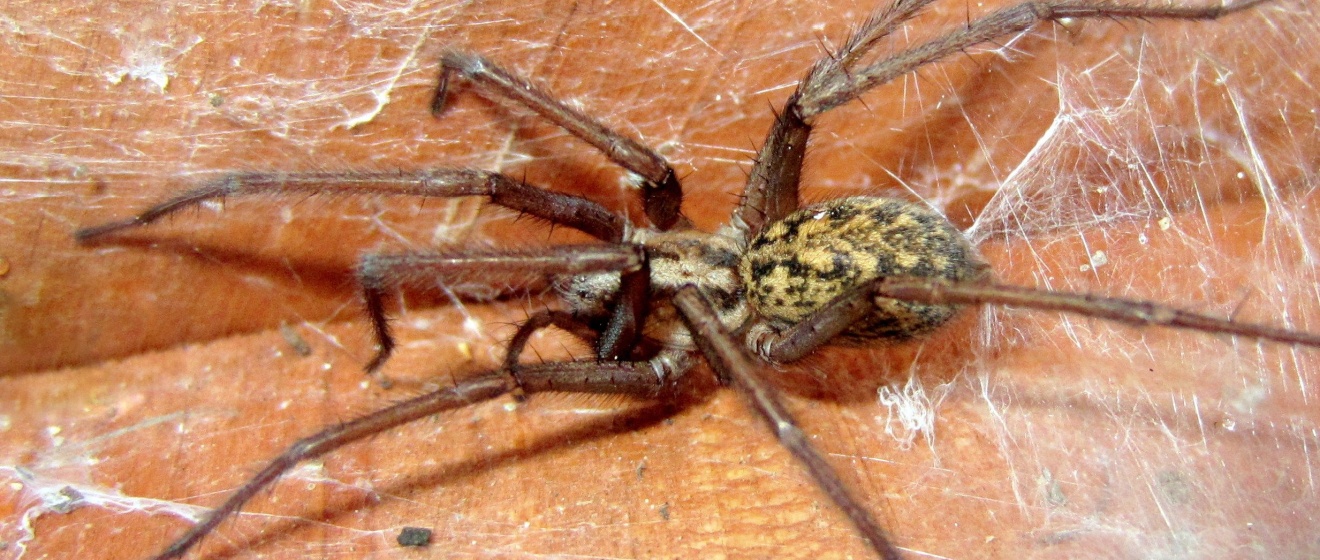
The hobo spider (Eratigena agrestis, formerly classified as Tegenaria agrestis) is a funnel-web building spider native to Europe. It was introduced to the Pacific Northwest in the early twentieth century, likely arriving through the port of Seattle, and has since established itself throughout the region—including Idaho, Washington, Oregon, and parts of the surrounding states. It is well established in the Treasure Valley and is a genuine resident of Boise-area homes and properties.
Hobo spiders are brown, medium-sized spiders with a leg span of roughly one to one and a half inches. They build distinctive funnel-shaped webs—flat, sheet-like webs with a funnel retreat at one edge where the spider waits for prey. They are ground-dwelling spiders that do not climb well, which is a relevant detail for both identification and for understanding where they are found in and around homes.
The Reputation: Where the Necrosis Claim Came From
The hobo spider’s dangerous reputation traces back to research conducted in the late 1980s and 1990s that linked hobo spider bites to necrotic skin lesions. This research led to the hobo spider being listed as a species of medical concern, and for years it was widely described as capable of causing brown-recluse-like tissue damage. This information was repeated extensively in pest control materials, medical references, and public information throughout the Pacific Northwest.
The brown recluse connection was significant in shaping the hobo spider’s reputation because the brown recluse does not live in the Pacific Northwest. With no brown recluse present to blame for necrotic wounds, the hobo spider became the default suspect for unexplained skin lesions throughout the region.
What Current Science Says
The understanding of hobo spider venom has changed substantially. Subsequent research has been unable to reproduce the original findings linking hobo spider bites to necrotic lesions. Studies examining verified hobo spider bites—cases where the spider was actually observed biting and was positively identified—have not found evidence that the venom causes the tissue death originally attributed to it.
In 2017, the Centers for Disease Control and Prevention removed the hobo spider from its list of venomous spiders of concern, citing the lack of evidence supporting the necrosis claim. The current scientific consensus is that there is no reliable evidence that hobo spider bites cause necrotic wounds in humans. The reputation, in other words, was based on early research that has not held up to subsequent investigation.
This does not mean that a hobo spider bite is pleasant or that the spider should be handled. Like most spiders, a hobo spider can bite if pressed against skin or handled roughly, and a bite may produce localized redness, minor pain, or temporary discomfort. But the severe, wound-causing reputation the species carried for decades is not supported by current evidence.
Why the Fear Persists
Despite the shift in scientific understanding, the hobo spider’s dangerous reputation persists in public perception, and there are several reasons for this. The original information was repeated widely and for a long period, and corrections to widely held beliefs spread more slowly than the original claims. Older reference materials, websites, and printed resources still carry the outdated information. And the difficulty of identifying hobo spiders accurately means that bites and sightings attributed to hobo spiders are frequently misattributed—the spider involved may have been a different species entirely.
The misidentification issue is significant. Hobo spiders are easily confused with several other brown, funnel-web building spiders common in the Pacific Northwest, including the giant house spider and the domestic house spider. Many reported hobo spider encounters involve these other species. For a detailed comparison, see our guide on how to identify a hobo spider versus other common Boise spiders.
The Real Reason Hobo Spiders Are Worth Addressing
If hobo spiders are not the dangerous threat they were once believed to be, why address them at all? The answer is that they are a persistent nuisance species that establishes itself in and around homes in significant numbers, and their presence indicates the kind of conditions that support broader spider activity.
Hobo spiders are prolific. A property with a hobo spider issue often has many individuals rather than a few, and their funnel webs accumulate in basements, crawl spaces, garages, window wells, and along foundation lines. The webs collect debris and are unsightly, and the spiders themselves—fast-moving and encountered unexpectedly in basements and garages—are alarming to homeowners regardless of the actual medical risk.
Their presence also reflects conditions that support other pests. Spiders are predators that follow their food source, and a significant hobo spider population indicates an abundant supply of the insects they feed on. Addressing a hobo spider problem often means addressing the broader insect activity that sustains it.
Managing Hobo Spiders in Boise Homes
For Boise homeowners who want to reduce hobo spider activity, the approach combines exclusion, habitat reduction, and addressing the insect populations that support them.
Sealing entry points at the foundation level is particularly effective for hobo spiders because they are ground-dwelling and do not climb well. Gaps at the base of doors, foundation cracks, and openings around utility penetrations near ground level are the primary routes hobo spiders use to enter structures. Reducing clutter in basements, crawl spaces, and garages eliminates the sheltered harborage they prefer. Managing the moisture and insect activity that draws them—addressing damp conditions and reducing exterior lighting that attracts prey insects—reduces the conditions that sustain a population.
Wild West Pest Control addresses hobo spiders and other spider species throughout Boise and the Treasure Valley. Our spider control service includes inspection, web removal, targeted treatment, and entry point recommendations. Contact us for a free quote if hobo spiders or other spiders are a concern in your home.