
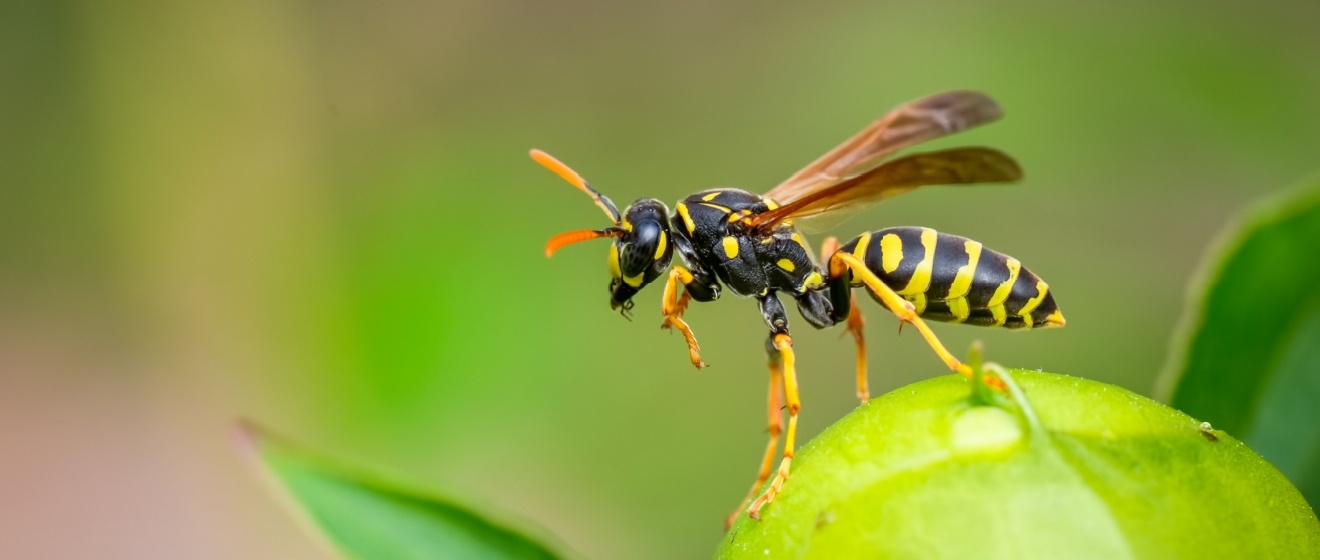
Boise homeowners know the summer season isn’t just about sunshine and backyard barbecues—it also brings a surge in unwanted winged guests. Wasps, with their erratic flight patterns and painful stings, are more than just a nuisance—they’re a genuine safety concern when nests appear too close for comfort. If you’ve never considered the importance of wasp control in Boise, it’s time to rethink your seasonal prep. These aggressive insects don’t just invade your outdoor spaces—they can threaten your peace of mind.
The Risks Behind the Buzz: Why Wasps Can Be Dangerous
Wasps tend to get more hostile when they feel threatened, and that’s a real problem when nests are built close to high-traffic areas like patios or entryways. If you’re wondering are wasps dangerous in Idaho, the short answer is: absolutely—and here’s why:
- Stings Hurt—and Can Be Life-Threatening: A single sting is painful; multiple stings can escalate quickly. For individuals with allergies, a single encounter might require emergency medical attention.
- Unpredictable Aggression: Species like yellowjackets are notorious for defending their nests fiercely, swarming with little provocation.
- Nesting Near Homes: In Boise, wasp infestations are common in summer and fall, with nests appearing in wall voids, under rooflines, and inside sheds—hidden hazards waiting to strike.
- Recurring Infestations: Once wasps choose your property, they may return season after season unless properly removed and prevented.
- Risk to Pets and Children: Curious hands and paws near nests can lead to painful outcomes.
Aside from immediate threats, repeated wasp activity around the home can lead to long-term unease, restricting outdoor use and putting family members—especially children—on edge. And when a nest is located inside structural spaces, it can even cause damage over time.
How to Deal with Wasps in Boise
Homeowners dealing with a wasp infestation in Boise shouldn’t rely on DIY methods that might worsen the problem or provoke a swarm. Here are some safe strategies:
- Keep trash bins sealed and clean—food scraps can attract foraging wasps.
- Avoid wearing bright colors and floral scents outdoors during peak wasp season.
- Regularly inspect eaves, soffits, and garages for nesting activity.
- Use decoy nests to deter new colonies (some species avoid existing territories).
- Seal gaps in siding, vents, and soffits to limit entry points.
- Partner with professionals for targeted wasp control tips and treatment plans.
Looking for long-term protection from Boise’s aggressive wasps and other local invaders? A custom residential service plan can help keep your property safe, season after season.
Seasonal Surge: Why Wasps Peak in Late Summer
Boise homeowners tend to notice more wasps as summer stretches into fall—not by coincidence. Wasps become more active and aggressive during this time due to shrinking food sources and the need to protect their colony’s final brood. This seasonal surge is particularly noticeable around outdoor gatherings and garden spaces where sugary drinks and food scraps tempt hungry scouts. Homeowners should take extra precautions during these months to avoid accidental run-ins with territorial nests.
Even the scent of ripe fruit or sweet flowers can draw wasps closer to patios and porches. Proactive inspections in late summer can make a massive difference in catching infestations before they expand—and that means a safer fall season for your family and pets.
What Makes Boise a Breeding Ground for Wasp Problems
It’s not just the heat that fuels Boise’s wasp population—it’s the ecology. With plenty of wooded neighborhoods, flowering plants, and outdoor trash bins, the Treasure Valley serves up everything wasps need to settle down and expand. These insects are incredibly adaptive and can exploit even minor vulnerabilities around your property.
Late summer is their peak season, not just for activity but also for conflict—dwindling resources make them more aggressive as they compete for food and defend their nests. Residential zones with fruit trees, backyard gardens, or pet food left outside can easily become wasp magnets. That’s why pest control in Boise needs to be more than seasonal; it has to be strategic and specific to local conditions.
Even newer developments aren’t immune—construction sites can create temporary shelters for nesting, and open landscaping draws scout wasps looking for ideal settling zones. Once they find a spot, they rarely leave without a fight.
Preventing Wasps Before They Settle In
Effective wasp control in Boise isn’t just about treating a single nest—it’s about crafting a year-round strategy. That means maintaining clean yards, repairing structural gaps, and scheduling regular inspections before wasps begin to build. Integrated pest management practices, including habitat modification and targeted treatments, can dramatically reduce the chance of infestations returning.
Homes with frequent outdoor activity—such as patios, playgrounds, or dog runs—need extra vigilance. Property owners who make prevention a habit rather than a seasonal chore will find fewer surprises and more freedom to enjoy the outdoors without worry.
Staying Safe from Stinging Insects in Boise
If you’ve already spotted nests or experienced an uptick in wasp sightings, the risk to your family grows with every passing day. While not all Idaho stinging insects are aggressive, many are capable of painful stings—especially if provoked. That’s why it’s important to get ahead of the problem early.
Trust Wild West Pest Control to provide effective, personalized pest control that fits your needs and your property. We understand the wasp danger in Boise and how to protect homes with precision, using eco-conscious methods that won’t disrupt your life.
If stinging insects are making your Boise home feel unsafe, let Wild West Pest Control help you reclaim peace of mind. Contact Wild West Pest Control today and take the first step toward a wasp-free home with support from a local team that truly understands Idaho’s pest challenges.