

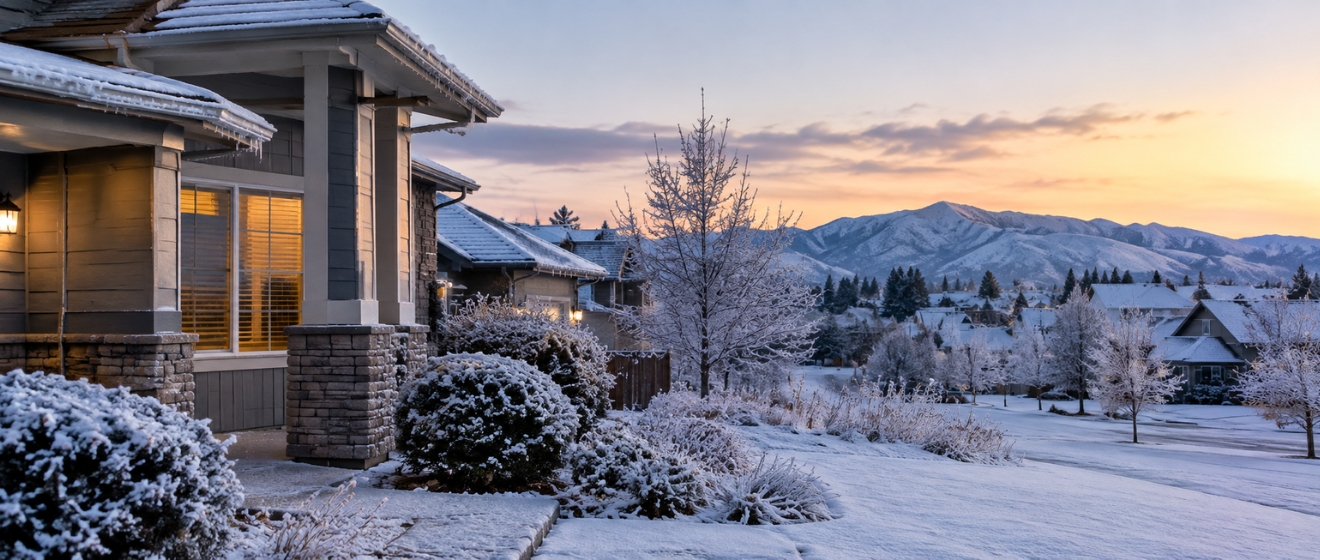
The first freeze can quiet Boise yards, but it does not remove every pest problem. Many insects have already moved into protected spaces, rodents remain active throughout winter, and mild afternoons can reactivate pests around sunny exterior walls. Homeowners may see less activity outdoors while something continues behind walls, inside garages, or beneath insulation. Wild West Pest Control offers year-round residential pest control designed around the seasonal pressures found in Boise and the Treasure Valley.
A Freeze Changes Pest Activity Instead of Ending It
Cold temperatures slow many insects. Exposed individuals may die, while eggs, immature stages, or adults survive in soil, debris, bark, wall voids, attics, crawl spaces, and other sheltered locations. Species use different overwintering strategies, so one cold night cannot eliminate them all.
The structure itself creates protected microclimates. Sun warms south- and west-facing walls. Heat escapes around rooflines and foundations. Garages and crawl spaces stay more stable than the open yard. These areas allow pests to remain sheltered even when the air temperature drops below freezing.
Rodents Stay Active Through Boise Winters
Mice and rats do not become dormant for winter. They continue looking for food, water, and nesting sites. A home, garage, shed, or commercial building can provide all three. Once inside, rodents may travel through wall voids and insulation while remaining unseen.
Winter signs include droppings, gnawed packaging, scratching after dark, damaged insulation, and pet attention focused on a wall or appliance. Rodent control during cold weather remains important because reproduction and property damage can continue indoors.
Overwintering Insects May Appear Indoors
Boxelder bugs, elm seed bugs, and some other seasonal invaders enter structures before the coldest weather arrives. They settle into cracks and voids, then become active when indoor heat or winter sunlight warms their shelter. Homeowners may find them near windows even when the yard looks frozen.
Those sightings often come from insects already inside rather than a new outdoor invasion. Vacuuming visible individuals can provide immediate relief. A long-term plan identifies exterior entry areas and addresses them at the seasonally appropriate time.
Spiders and Their Prey Do Not Vanish
Spiders can remain active in temperature-controlled buildings, basements, garages, and protected voids. Small insects living indoors provide food. Webs in corners, storage rooms, and utility spaces may therefore continue after a freeze.
Spider management should include removal of accessible webs, reduction of clutter, exclusion, moisture correction, and control of prey insects. Treating only the spider that appears in the room leaves the underlying conditions unchanged.
Winter Service Can Focus on Inspection and Prevention
Cold-weather pest control is not identical to summer service. The technician may concentrate on rodent evidence, entry points, indoor harborages, garages, crawl spaces, and areas protected from weather. Exterior applications, when appropriate, are selected and timed for the conditions and target pest.
Winter is also a useful time to identify building gaps. Worn door sweeps, damaged vent screens, utility penetrations, and garage-door corners are easier to prioritize when outdoor vegetation is less dense. Repairs should preserve airflow, drainage, and safe operation of building systems.
When Can a Homeowner Reduce Service?
The answer depends on the property and pest history. A home with repeated rodent activity, mature trees, an attached garage, crawl-space vulnerabilities, or recurring overwintering insects may benefit from continued monitoring. A property with no evidence may still use winter visits for prevention and early detection.
Stopping solely because the first freeze occurred assumes every pest remained outdoors. By the time winter arrives, many of the most relevant pests have already found shelter. A seasonal plan should follow actual activity and structural risk rather than the calendar alone.
What Homeowners Should Check After a Freeze
Inspect pantry and garage storage for gnawing or droppings. Look at door sweeps and weatherstripping. Check window tracks for overwintering insects, and watch for webs in undisturbed rooms. Listen for repeated nighttime movement. Keep pet food, birdseed, and grass seed in secure containers.
Outdoor clutter, leaves, and firewood should remain separated from the foundation when practical. Plumbing leaks and condensation should be corrected. These actions reduce food, water, shelter, and access even when treatment is not immediately needed.
Homeowners should also review what happened during the warmer months. Repeated ants in the kitchen, heavy webs around exterior lights, wasps entering one roofline, or boxelder bugs on the same sunny wall can predict where activity may return. Winter is a good time to document those patterns and plan repairs before spring. Photos of entry areas and a simple list of rooms where pests appeared give a technician useful context during the next inspection.
Boise’s first freeze marks a seasonal transition, not the end of pest pressure. A winter plan can prevent rodents and hidden insects from gaining months of undisturbed access. For help deciding what the home needs after temperatures fall, contact Wild West Pest Control for a property-specific recommendation.