
The health risks associated with rodent infestations extend far beyond property damage and contamination. Rodents in the Boise area carry several serious diseases that can affect your family, and understanding these risks helps you recognize why prompt rodent control isn’t just about comfort – it’s about protecting your family’s health.
Hantavirus: The Most Serious Threat
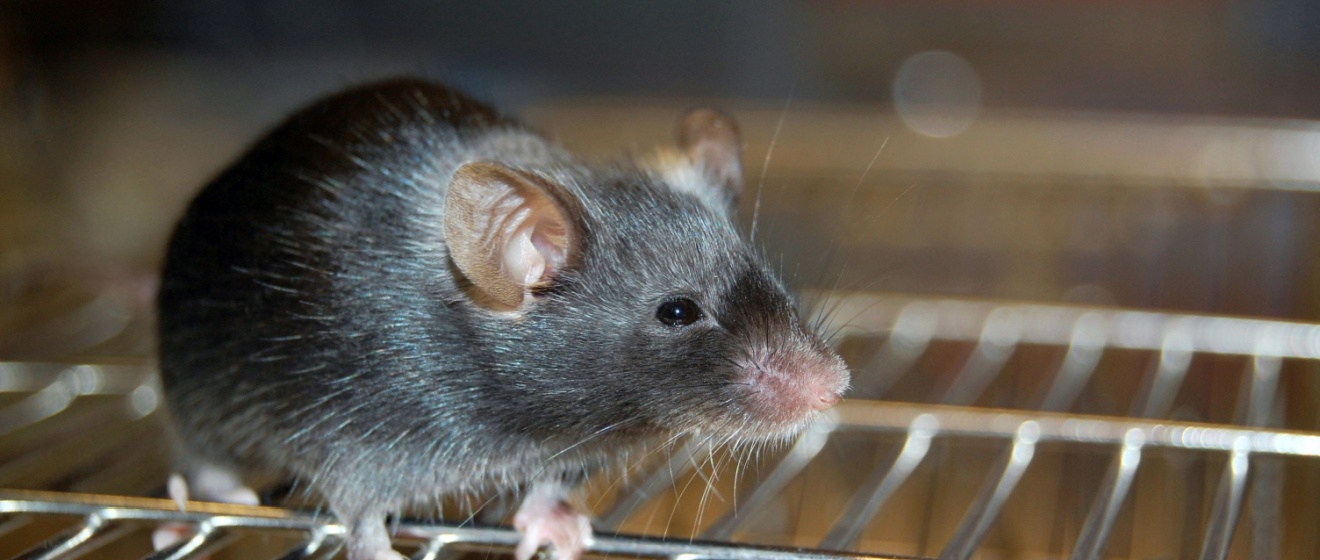
Hantavirus Pulmonary Syndrome (HPS) is a severe respiratory disease carried primarily by deer mice in Idaho. This virus transmits through contact with rodent urine, droppings, or saliva. You don’t need direct contact – simply breathing dust contaminated with dried rodent waste can cause infection.
Early symptoms resemble the flu: fever, muscle aches, and fatigue. However, HPS rapidly progresses to severe respiratory distress. The mortality rate exceeds 35%, making this Idaho’s most dangerous rodent-borne disease. Deer mice are common throughout the Treasure Valley, particularly in areas near foothills or open spaces.
Prevention requires professional cleanup. Never sweep or vacuum rodent droppings, as this aerosolizes the virus. Areas with rodent infestations need specialized cleaning protocols using proper protective equipment and disinfectants.
Salmonellosis: Common Bacterial Infection
Rodents carry Salmonella bacteria in their digestive systems and spread it through feces. Contaminated surfaces in your kitchen, pantry, or anywhere rodents travel can transmit this bacteria to humans. Symptoms include diarrhea, fever, abdominal cramps, and vomiting lasting 4-7 days.
Children, elderly individuals, and those with compromised immune systems face higher risks of severe infection. In Boise homes where rodents access kitchen areas, the contamination risk is significant and ongoing until the infestation is eliminated.
Leptospirosis: Water-Borne Bacteria
This bacterial infection spreads through contact with rodent urine, particularly in wet environments. Boise’s irrigation systems, crawl space moisture, and plumbing leaks create conditions where Leptospirosis bacteria survive and spread.
Symptoms range from mild flu-like illness to severe complications including kidney damage, liver failure, and meningitis. The bacteria enters through broken skin, mucous membranes, or contaminated water consumption.
Rat-Bite Fever: Direct Contact Disease
While less common, Rat-Bite Fever occurs through bites, scratches, or even simple contact with rodents or their waste. Symptoms include fever, vomiting, headaches, and painful joint inflammation. Without treatment, complications can be serious.
This disease highlights why you should never attempt to handle rodents yourself, even if they appear dead. Children and pets are particularly vulnerable to bites when encountering cornered rodents.
Secondary Health Risks
- Allergies and asthma triggers: Rodent dander, urine proteins, and droppings trigger allergic reactions and asthma attacks. Children with respiratory conditions experience worsened symptoms in homes with rodent infestations.
- Parasites: Rodents carry fleas, mites, and ticks that can bite humans and pets, potentially transmitting additional diseases like plague (though extremely rare in Idaho) and various tick-borne illnesses.
- Contaminated food: Rodents walking across counters, inside cabinets, and through pantries leave bacteria-laden footprints and droppings that contaminate food preparation surfaces and stored food items.
Protecting Your Boise Family
- Recognize the urgency of rodent problems: Health risks increase with exposure duration. A long-standing infestation poses greater danger than a recent invasion.
- Avoid DIY cleanup of heavy infestations: Professional pest control includes proper decontamination procedures that protect your family from disease transmission during cleanup.
- Seek medical attention if exposed: If you’ve had contact with rodents or cleaned up after them and develop symptoms, inform your healthcare provider about potential rodent exposure.
- Understand that you can’t see pathogens: Areas that look clean may still harbor disease-causing bacteria and viruses. Proper disinfection requires specific products and techniques.
- Don’t delay treatment: Every day rodents remain in your home increases contamination and health risk exposure for your entire family.
The health risks associated with Boise-area rodents are real and serious. While not every rodent carries every disease, the potential consequences justify prompt professional intervention. Your family’s health depends on rapid, thorough rodent elimination and proper decontamination.
Concerned about health risks from rodents in your home? Contact Wild West Pest Control today for safe, professional rodent removal and decontamination services that protect your Boise family from disease transmission.