
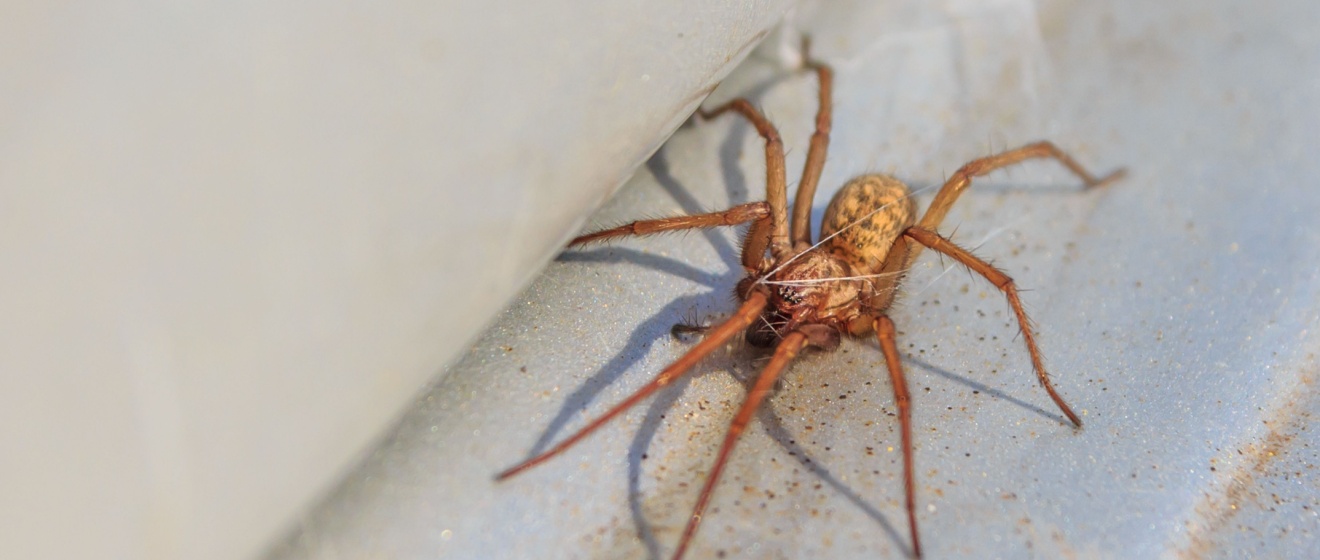
Seeing spiders around your home often raises an important question: are they just looking for shelter, or are they here because you have other pest problems? The answer is usually both, and understanding the relationship between spiders and their prey can help you address the real issue. Professional spider control in Boise addresses not just spiders but the underlying pest populations that attract them.
Spiders Follow Their Food Source
Spiders are predators that feed almost exclusively on insects and other small arthropods. While they may initially enter your home seeking shelter, they won’t establish permanent residence unless they find adequate food. If you’re seeing multiple spiders or finding numerous webs around your home, there’s a strong possibility you also have populations of the insects spiders feed on.
Common prey insects that attract spiders to Boise homes include flies, moths, mosquitoes, gnats, beetles, ants, crickets, silverfish, and earwigs. Each of these pests has its own reasons for entering homes, and their presence creates the conditions that support spider populations.
The Insect-Spider Connection
Think of spiders as indicators of your home’s overall pest situation. A few spiders might just mean you have the occasional fly or moth entering through open doors. But numerous spiders, especially in specific areas like basements, garages, or around windows, typically signal that prey insects are abundant enough to sustain growing spider populations.
This is why simply killing visible spiders rarely solves the problem long-term. If the prey insects remain, new spiders will continue moving in to take advantage of the available food source.
What Spider Locations Tell You
Where you’re seeing spiders can provide clues about what other pests might be present:
- Spiders near windows: Often indicates flying insects like flies, moths, or gnats entering around window frames or being attracted to interior lights. Flying insects are drawn to windows trying to reach outdoor light, and spiders position their webs accordingly.
- Basement spiders: Typically indicates moisture-loving insects like silverfish, crickets, or beetles that thrive in dark, damp conditions. These insects enter through foundation cracks and floor drains, with spiders following close behind.
- Kitchen spiders: May suggest ant problems, as ants are common kitchen invaders attracted to food sources. Small fruit flies breeding in drains or garbage disposals can also support spider populations.
- Garage and shed spiders: Often correlate with stored product pests like moths, beetles, or crickets that infest stored items, feed on wood, or enter through large openings like garage doors.
Are Spiders Actually Helping?
There’s truth to the saying that spiders are “natural pest control.” A single spider can consume dozens or even hundreds of insects over its lifetime. In outdoor environments, spiders play valuable ecological roles by controlling insect populations that might otherwise become problematic.
However, most homeowners prefer not to share their living spaces with large spider populations, even if those spiders are technically reducing other pest numbers. The presence of many spiders still indicates an underlying pest problem that should be addressed.
When Spiders Indicate Serious Pest Problems
Large numbers of spiders, particularly in areas that are regularly cleaned and maintained, often point to significant insect infestations that need professional attention. Some scenarios that warrant investigation include:
- Dozens of spiders in a single area: Suggests abundant prey and ideal conditions for breeding
- Multiple spider species present: Different species target different prey, indicating diverse insect populations
- Frequent web rebuilding: If you remove webs and they’re rebuilt within days, spiders are catching enough prey to make the location worthwhile
- Spiders appearing year-round: While some seasonal spider activity is normal, year-round populations suggest steady food sources from resident insect pests
Comprehensive Pest Management
The most effective approach to spider control addresses both spiders and their prey through integrated pest management. This means:
- Identifying and treating prey insects: Determining which insects are present and implementing targeted treatments to reduce their populations
- Eliminating breeding sites: Finding where insects are breeding or entering and addressing those sources—leaky pipes that attract moisture-loving insects, gaps that allow outdoor insects inside, or stored items harboring pantry pests
- Treating spiders directly: Removing webs and egg sacs, applying targeted treatments to areas where spiders hide, and creating exterior barriers to prevent new spiders from entering
- Preventing future problems: Sealing entry points, improving sanitation, reducing moisture, and making environmental changes that discourage both insects and spiders
Getting to the Root Cause
If you’re dealing with persistent spider problems, a professional pest inspection can identify what’s really going on. A trained technician can determine what prey insects are present and where they’re entering or breeding and develop a comprehensive plan that addresses both spiders and the pests attracting them.
This holistic approach provides longer-lasting results than simply treating visible spiders, because it eliminates the factors that keep drawing new spiders into your home.
To schedule a comprehensive pest inspection and learn about treatment options for both spiders and their prey insects, contact Wild West Pest Control for expert help protecting your Boise home.