

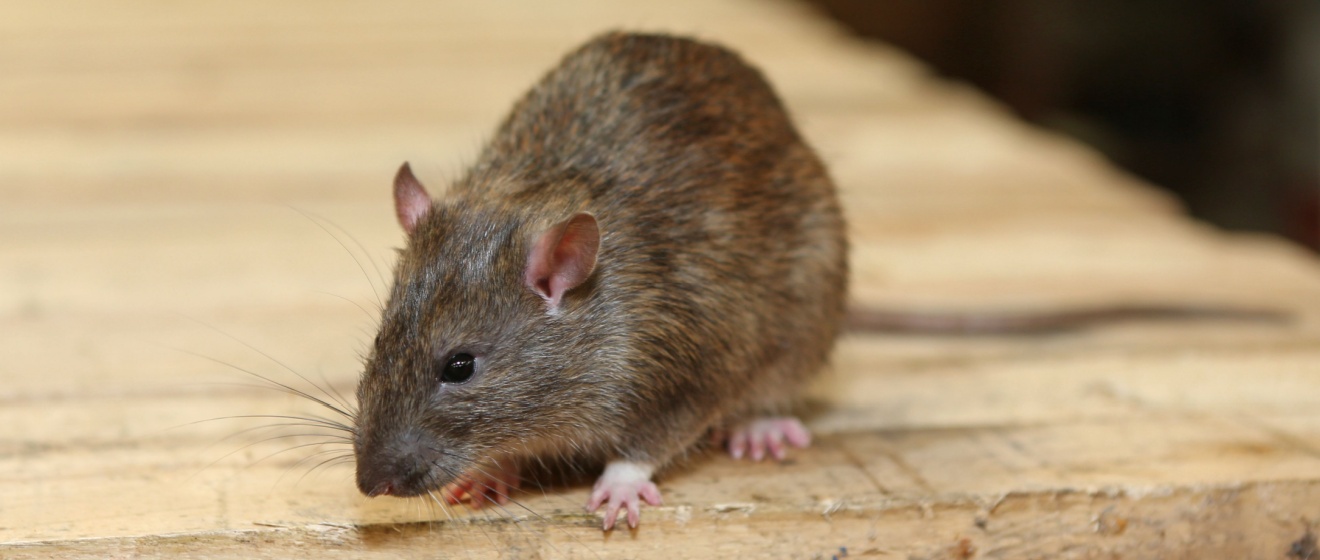
Discovering rodent droppings in your garage is unsettling, but it’s a clear sign that mice or rats have found their way into your space. Garages provide everything rodents need – shelter, warmth, and often plenty of food sources from stored items or nearby trash bins. Taking quick action with rodent control in Boise can prevent the problem from spreading to your home’s interior.
Why Garages Attract Rodents
Garages are particularly vulnerable to rodent activity because they typically have more entry points than other parts of your home. Gaps under garage doors, cracks in walls where the garage connects to the house, and openings around utility lines create easy access for mice and rats looking for shelter.
The threshold gap under garage doors is one of the most common entry points. Even a small space of just a quarter-inch is enough for a mouse to squeeze through, and worn or damaged weatherstripping makes access even easier.
Once inside, rodents find plenty of hiding spots in stored boxes, behind equipment, in corners filled with seasonal items, and tucked into cluttered areas. If you keep pet food, birdseed, grass seed, or other supplies in your garage, you’re essentially providing an all-you-can-eat buffet that will keep rodents coming back.
Identifying Rodent Droppings
Mouse droppings are small – about the size of a rice grain, roughly 1/8 to 1/4 inch long – and typically dark brown or black with pointed ends. Rat droppings are considerably larger, around a half-inch to three-quarters of an inch long, and may appear more capsule-shaped with blunt ends.
Fresh droppings look moist, shiny, and soft, while older ones become dry and crumbly and may fade to a grayish color. If you’re seeing fresh droppings regularly – especially concentrated in certain areas – it means rodent activity is ongoing and likely increasing.
The location and quantity of droppings can help you determine the severity of the infestation and identify where rodents are most active.
Health Risks of Rodent Droppings
Rodent droppings carry bacteria and viruses that can contaminate surfaces and become airborne when disturbed. Hantavirus, salmonella, leptospirosis, and lymphocytic choriomeningitis (LCMV) are among the diseases that can spread through direct or indirect contact with rodent waste.
Hantavirus is particularly concerning. While rare, it can be transmitted when people breathe in dust contaminated with rodent urine or droppings, and it can cause serious respiratory illness.
Never sweep or vacuum droppings without proper precautions – doing so can release harmful particles into the air you breathe and spread contamination throughout your garage.
How to Safely Clean Rodent Droppings
Before beginning any cleanup, ventilate the garage by opening doors and windows for at least 30 minutes. This helps reduce the concentration of potentially infectious particles in the air. Wear rubber or latex gloves and a mask or respirator to protect yourself from contamination.
Follow these steps for safe cleanup:
- Spray droppings and contaminated areas liberally with a disinfectant or bleach solution (mix 1 part bleach to 10 parts water)
- Let the solution sit for five minutes to kill pathogens
- Use paper towels to wipe up droppings—avoid using cloth rags that could spread contamination
- Place contaminated paper towels in a sealed plastic bag
- Dispose of the bag immediately in an outdoor trash bin
- Disinfect any tools, surfaces, shelves, or items that may have been contaminated
- Wash your hands thoroughly with soap and water after removing gloves
For heavy infestations or widespread contamination, consider hiring professional cleaning services that have proper equipment and expertise.
Preventing Future Infestations
After cleaning, focus on sealing entry points and removing attractants. Inspect the bottom of your garage door for gaps and install or replace weatherstripping if needed. Use door sweeps or threshold seals to eliminate spaces where rodents can enter.
Store food items – including pet food, birdseed, and grass seed – in sealed plastic or metal containers that rodents cannot chew through. Avoid leaving pet food or water bowls in the garage overnight.
Remove clutter and organize storage so rodents have fewer places to hide. Keep items off the floor whenever possible and use sealed plastic bins instead of cardboard boxes. Keep garbage bins tightly sealed and positioned away from the garage entrance.
When to Call a Professional
If you’re finding droppings regularly, discovering nests, or hearing scratching sounds in walls or ceilings, DIY cleanup won’t solve the underlying problem. Professional rodent control includes identifying all entry points, removing active infestations, and implementing comprehensive exclusion measures to keep rodents out for good.
Technicians can also assess whether rodents have accessed your home’s interior through shared walls between the garage and living spaces. To schedule a garage inspection and get expert help protecting your property, contact Wild West Pest Control and speak with a licensed technician.