

Fall in Boise brings cooler nights, shorter days, and a wave of pest activity around homes. Insects and rodents respond to changing temperatures by seeking protected places, and a heated structure offers walls, attics, garages, crawl spaces, and stored materials that can shelter them. Some pests arrive in large groups, while others leave only faint clues. Wild West Pest Control provides residential pest control in Boise for the seasonal pests that become active around Treasure Valley homes before winter.
1. Mice
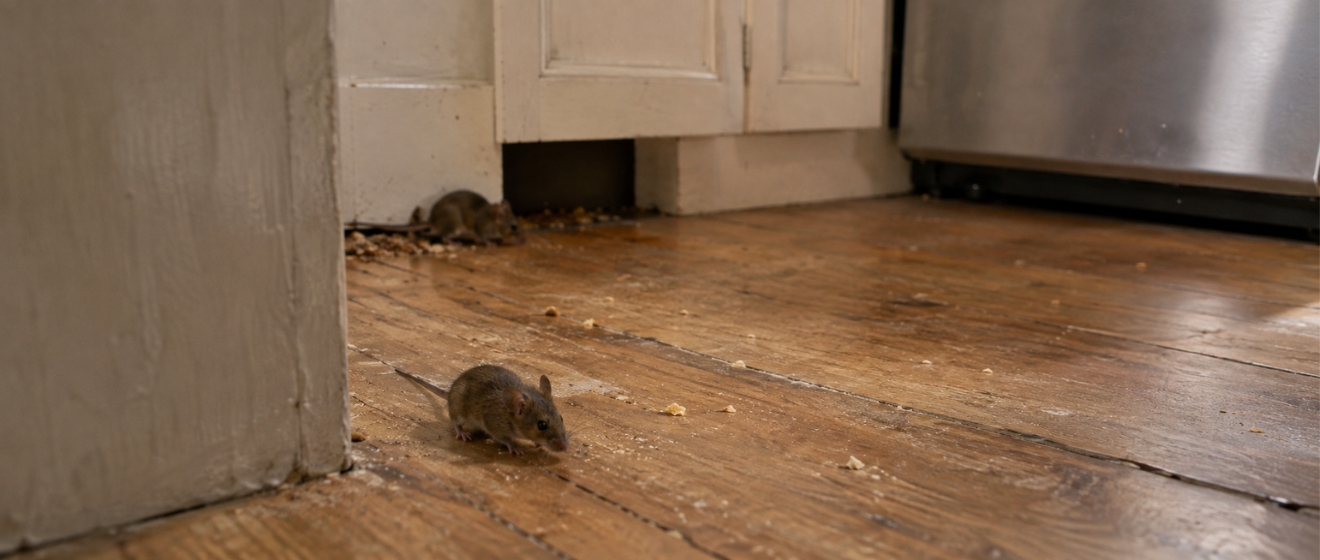
Mice remain active all year, but fall makes their presence easier to notice. Cooling weather and declining outdoor food sources encourage them to investigate garages, crawl spaces, attics, kitchens, and utility rooms. They can use small gaps around garage doors, pipes, vents, siding, and foundation transitions.
Droppings, gnaw marks, shredded nesting material, and nighttime scratching can reveal an infestation. Food should be stored in sturdy containers, and pet food should not remain out overnight. Because a few mice can become a larger problem, early inspection and exclusion are important.
2. Boxelder Bugs
Boxelder bugs gather on warm, sunny walls during fall. Dark bodies with reddish-orange markings make adults recognizable when viewed closely. From the exterior, they move into cracks around siding, windows, soffits, and utility openings.
They do not usually damage the structure, but large indoor groups can be difficult to manage and may stain surfaces when crushed. Exterior treatment and exclusion are most useful before the bugs have settled deep inside protected voids.
3. Elm Seed Bugs
Elm seed bugs can cover siding, windows, and doors in established neighborhoods with mature elm trees nearby. They are small, brown to nearly black, and may be mistaken for boxelder bugs. When crushed or disturbed, they can produce an unpleasant odor.
These bugs seek overwintering shelter in wall voids and other tight spaces. Indoor warmth may reactivate them, leading to sightings near windows during cold weather. Identification helps determine whether the issue involves elm seed bugs, boxelder bugs, or another fall invader.
4. Spiders
Spiders become highly visible in late summer and fall because many are mature, web building is obvious, and wandering males may travel in search of mates. Homes also attract the insects spiders use as food. Exterior lights, open garages, foundation gaps, and cluttered storage areas can support the pattern.
Web removal, prey control, exclusion, and targeted treatment work together. Repeatedly killing individual spiders may not change the conditions drawing them to the property.
5. Crickets
Crickets move toward sheltered, warmer areas as outdoor conditions change. They may enter beneath doors, through foundation gaps, or around utility lines. Garages, basements, crawl spaces, and laundry areas can provide darkness and moisture.
Their nighttime chirping is often the first sign. Reducing moisture, sealing low-level openings, and clearing debris from the foundation can make the structure less attractive.
6. Earwigs
Earwigs favor damp, protected spaces. Around Boise homes, they may hide beneath mulch, leaves, planters, boards, and landscape materials. They sometimes move indoors through ground-level gaps, especially when outdoor conditions become unfavorable.
Leaky spigots, heavy mulch against the foundation, and poor drainage can support activity near the house. Moving sheltered materials away from exterior walls and correcting moisture problems are useful preventive steps.
7. Wasps
Late-season wasps can remain active on warm fall days. Established colonies may contain large numbers, and workers can become persistent around trash, outdoor meals, fallen fruit, and sugary drinks. Openings in soffits, siding, rooflines, or wall voids may also conceal nest activity.
Homeowners should not seal an opening while wasps are actively traveling through it. Trapped insects may seek another route, including toward indoor spaces. A nest near a doorway, play area, or frequently used part of the yard should be professionally evaluated.
How to Prepare a Boise Home for Fall Pest Pressure
Walk around the exterior before sustained cold weather arrives. Look for worn door sweeps, loose weatherstripping, damaged screens, foundation gaps, and openings around pipes or cables. Check the garage door along the bottom corners, where small gaps commonly remain. Attic and crawl-space vents should have intact screening that preserves proper airflow.
Remove leaves, seed piles, and unnecessary clutter from the foundation. Store firewood away from the structure and off the ground. Trim vegetation that touches the siding or roof. Indoors, move dry goods and pet food into sealed containers, vacuum low-traffic storage areas, and replace damaged cardboard boxes with lidded bins where practical.
A Fall Inspection Can Prevent Winter Surprises
The insects seen on an exterior wall and the scratching heard inside a ceiling require different plans. Proper identification prevents wasted effort and helps prioritize the most important entry points. Wild West Pest Control inspects Boise-area homes, explains what is causing the activity, and develops a treatment and prevention plan suited to the property. Contact Wild West Pest Control before fall invaders settle in for the winter.