
Boise homeowners encounter various spider species throughout the year, and while most are harmless, identifying the spiders in your home helps you understand whether professional intervention is needed. Spider control in Boise can reduce populations and provide peace of mind when spiders become too numerous or concerning.
House Spiders
Common house spiders are the most frequently encountered spiders in Boise homes. These small brown spiders build messy, tangled webs in corners, basements, closets, and other undisturbed areas. They’re typically harmless to humans and actually help control other insect populations.
House spiders rarely bite and prefer to retreat when disturbed. Their webs often collect dust and become unsightly, which is usually the main complaint from homeowners rather than any safety concern.
Hobo Spiders
Hobo spiders are more common in the Pacific Northwest, including parts of Idaho. They’re brown spiders with a distinctive herringbone pattern on their abdomens. Hobo spiders build funnel-shaped webs close to the ground in basements, window wells, and crawl spaces.
While hobo spiders were once thought to have medically significant bites, recent research suggests their bites are not as dangerous as previously believed. However, they can still cause localized pain and irritation in some people.
Wolf Spiders
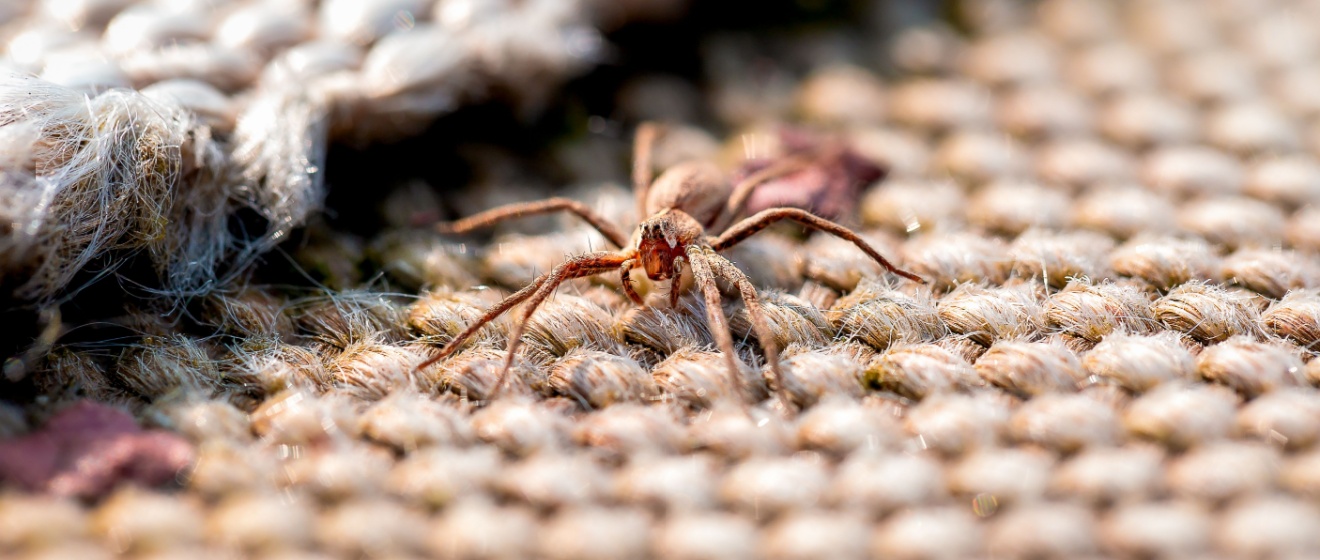
Wolf spiders are large, hairy spiders that don’t build webs—instead, they hunt prey on the ground. These spiders are brown or gray with distinctive markings and can be quite intimidating due to their size, sometimes reaching over an inch in body length.
Wolf spiders often enter homes in fall seeking shelter. They’re commonly found in basements, garages, and around foundations. Despite their aggressive appearance, wolf spider bites are rare and typically cause only minor, localized reactions similar to a bee sting.
Jumping Spiders
Jumping spiders are small, compact spiders with large front-facing eyes that give them excellent vision. They don’t build webs but instead actively hunt prey by stalking and jumping on it—they can leap distances many times their body length.
These spiders are often seen on walls, windowsills, and outdoor structures during warmer months. They’re generally considered beneficial and harmless, with bites being extremely rare and mild when they do occur.
Black Widow Spiders
Black widows are the most medically significant spiders found in the Boise area. Female black widows are glossy black with a distinctive red hourglass marking on their undersides. They build irregular, tangled webs in protected outdoor areas like woodpiles, sheds, and garages.
Black widows are not aggressive and bite only when threatened or accidentally pressed against skin. However, their venom is neurotoxic and can cause serious symptoms requiring medical attention, especially in children, elderly individuals, or those with compromised immune systems.
Cellar Spiders (Daddy Long-Legs)
Cellar spiders have extremely long, thin legs and small bodies. They build loose, irregular webs in dark, damp places like basements, crawl spaces, and corners of rooms. These spiders are completely harmless to humans despite urban legends claiming they’re highly venomous—their fangs are too small to penetrate human skin, and their venom poses no threat to people.
Cellar spiders actually help control other spider populations, including more problematic species, by catching and eating them.
Why Spiders Enter Boise Homes
Spiders typically come indoors seeking prey, shelter, or mates. Homes with other insect problems often attract spiders looking for food. As temperatures drop in fall, many spider species seek warm places to overwinter, leading to increased indoor sightings.
Cracks around doors and windows, gaps in foundations, torn screens, and openings around utility lines provide easy access for spiders to enter.
When to Consider Professional Spider Control
While occasional spider sightings are normal, large numbers of spiders, frequent black widow encounters, or spiders in living spaces where they create discomfort may warrant professional treatment.
Professional spider control reduces populations through targeted treatments, removes webs and egg sacs, and may also include exclusion services to seal entry points. To learn more about managing spider populations in your Boise home, contact Wild West Pest Control for an inspection and treatment options.