

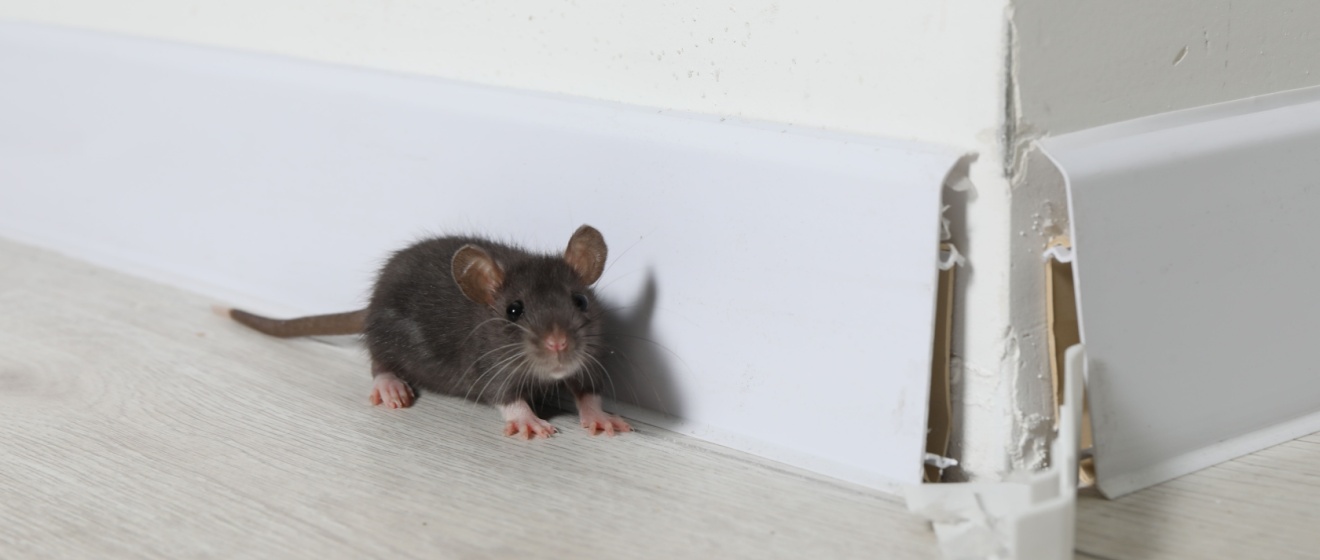
Mice and rats can cause serious damage to Boise homes, chewing through wiring, contaminating food, and spreading bacteria throughout living spaces. If you’re noticing unusual signs around your property, professional rodent control in Boise can help identify and eliminate the problem before it gets worse.
1. Droppings Near Food Sources
Small, dark, pellet-shaped droppings are one of the most obvious indicators of rodent activity. You’ll typically find these in pantries, kitchen cabinets, under sinks, or along baseboards where rodents travel at night.
Fresh droppings appear shiny and moist, while older ones look dry and crumbly. If you’re seeing fresh droppings regularly, it means the infestation is active and rodents are continuously moving through your home. Mouse droppings are about the size of a grain of rice, while rat droppings are larger – roughly a half-inch long.
The location of droppings can also tell you where rodents are most active. Concentrate your inspection efforts in areas where you find the most evidence, as this usually indicates nesting sites or primary travel routes.
2. Gnaw Marks on Surfaces and Materials
Rodents need to gnaw constantly to keep their teeth from overgrowing. This behavior leaves visible chew marks on:
- Cardboard boxes and food packaging
- Baseboards and door frames
- Electrical wiring and insulation
- Plastic containers and wooden furniture
Gnawed wiring is especially concerning because it can create fire hazards if left unaddressed. In fact, rodents are responsible for a significant percentage of unexplained house fires each year due to damaged electrical systems.
You might also notice chewed holes in walls or floors where rodents have created new entry points or expanded existing ones to access different areas of your home.
3. Scratching Sounds at Night
Hearing light scratching, scurrying, or tapping sounds after dark is a telltale sign of rodent activity. These noises typically come from walls, attics, ceilings, or crawl spaces where rodents nest and travel between feeding areas.
Rodents are nocturnal, meaning they’re most active between dusk and dawn. If you’re consistently hearing these sounds in the same location, rodents have likely established a nest nearby and are using that area as a home base.
4. Greasy Rub Marks Along Walls
As rodents follow the same routes repeatedly, the oils from their fur leave dark smudges along walls, especially near baseboards and corners. These grease marks often appear in areas where rodents squeeze through tight spaces or travel along consistent pathways.
In dusty areas like basements and attics, you may also notice small footprints or tail drag marks that reveal heavily trafficked runways between nesting sites and food sources.
5. Nests Made from Shredded Materials
Rodents build nests using whatever soft materials they can find – shredded paper, fabric, insulation, or cardboard. These nests are usually hidden in quiet spots like behind appliances, inside wall voids, or in storage areas where they feel protected from predators and disturbances.
Female rodents are particularly motivated to build secure nests when preparing to give birth, as they can produce multiple litters throughout the year with several offspring per litter. This rapid reproduction rate is why small rodent problems can quickly become major infestations.
6. Your Pets Are Acting Strange
Dogs and cats often detect rodents before people do. If your pet suddenly becomes fixated on a specific wall, cabinet, or corner – sniffing, pawing, or staring intently – there’s a good chance they’re picking up on rodent activity.
Pets have much stronger senses of smell and hearing than humans, allowing them to detect rodents moving inside walls or under floors even when we can’t see or hear any evidence ourselves. Pay attention to sudden behavioral changes, especially if your pet becomes persistently interested in areas they previously ignored.
7. Seeing a Mouse or Rat
If you spot one rodent, there are likely more hiding nearby. Rodents reproduce quickly and tend to live in groups, so a single sighting usually indicates a larger infestation that needs professional attention.
Rodents are naturally cautious and avoid open spaces where they feel exposed. If you’re seeing them during daylight hours or in high-traffic areas of your home, it often means the population has grown large enough that competition for food and space is forcing some rodents into riskier behavior.
Protecting Your Boise Home
Ignoring early warning signs can lead to extensive damage and health risks. A licensed pest control company can inspect your property, identify entry points, and create a treatment plan tailored to your home. Professional rodent control includes both elimination of current infestations and exclusion services to seal entry points and prevent future problems. To schedule an inspection or get help with a rodent problem, contact Wild West Pest Control today.