

Scratching inside a wall can make a quiet Boise home feel anything but peaceful. The sound may stop when someone enters the room, then begin again after the lights go out. Mice and rats are reasonable suspects, but insects, birds, and other animals can create noises that travel through framing. Wild West Pest Control’s rodent control services help homeowners interpret the evidence without relying on sound alone.
Listen for Timing, Location, and Type of Sound
Write down when the noise occurs and how it sounds. Light, rapid scratching after dark may fit mouse activity. Heavier movement, gnawing, or thumping may suggest a larger animal, but walls can amplify a small source. Daytime fluttering near an exterior vent may point toward a bird or insect issue.
Note whether the sound comes from a lower wall, ceiling, attic edge, or area near plumbing. Check whether it follows the same route on multiple nights. Recordings can be useful, although a phone may not capture quiet sounds clearly.
The location heard from inside can be misleading. Framing, pipes, and ductwork carry vibration. An animal above the ceiling may sound as if it is inside a nearby wall.
Signs That Support a Mouse Problem
Mice leave small droppings, gnaw marks, shredded nesting material, and disturbed food packages. Evidence often appears along wall edges, behind appliances, inside lower cabinets, or on garage shelving. A musky odor may develop where activity is established.
Mice are capable climbers and can move through wall voids using pipes, wires, and framing. They may enter at the garage, foundation, crawl space, roofline, or utility penetration, then travel far from that opening. Scratching in an upstairs wall does not prove that the exterior hole is nearby.
Could It Be a Rat?
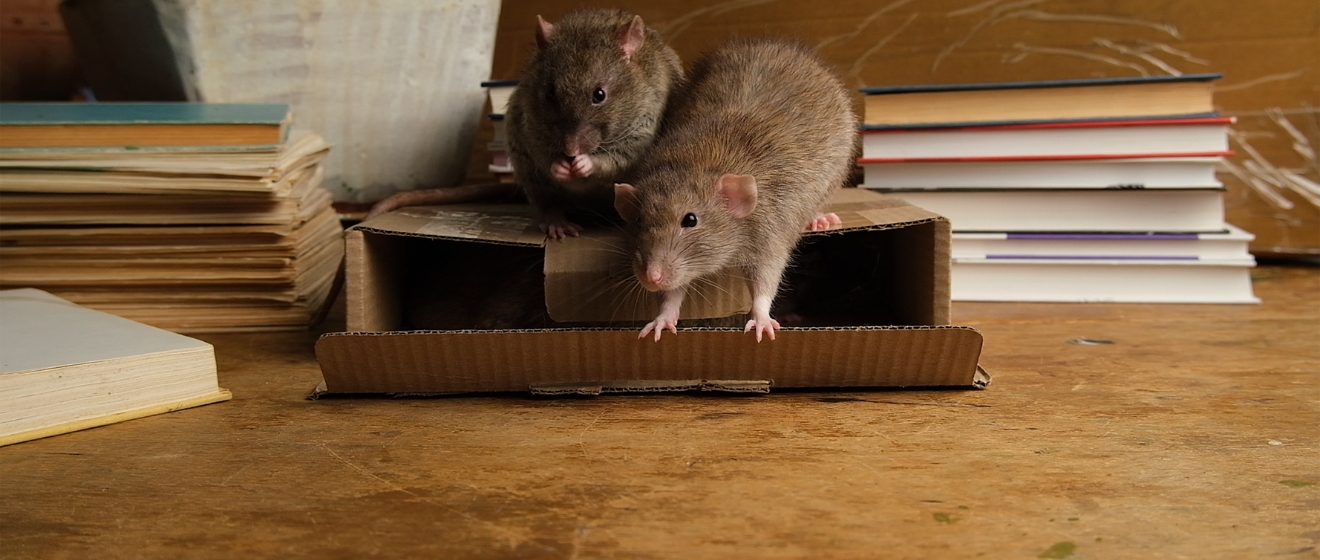
Rats are larger and generally leave larger droppings, stronger gnawing, and more obvious travel signs. They may use crawl spaces, attics, garages, and areas with accessible food or water. Noise can seem heavier, but sound is not a reliable way to distinguish a rat from a mouse.
Identification matters because trap placement, baiting strategy, entry points, and population behavior differ. A rodent should never be handled with bare hands. Homeowners should also avoid placing unsecured poison where children, pets, or wildlife could reach it.
Other Sources of Scratching and Tapping
Wasps or other insects in a wall void can produce faint chewing, rustling, or tapping near an active nest. Birds may scratch or flutter near vents, chimneys, and roof openings. A branch rubbing against siding or roofing can create a repeating nighttime sound when wind picks up.
Building materials also move as temperatures change. Ductwork, pipes, wood framing, and siding can pop or tick during heating and cooling cycles. If a noise occurs at the same time as the furnace, hot-water use, or wind, the source may be mechanical or structural rather than a pest.
Look for physical evidence before opening a wall. Exterior travel, droppings, nesting material, stains, damaged screening, and odor can help narrow the possibilities. Cutting into drywall without locating the source may create damage while allowing an animal to escape into the room.
What Not to Do
Do not seal an exterior hole immediately if active animals may be inside. Closing the primary route can trap them in the structure or push them toward a new opening. Do not rely on ultrasonic devices as a substitute for inspection, population control, and exclusion. Avoid scattering traps randomly in open areas where rodents may not travel.
Rodent droppings and nesting material require careful cleanup. Dry sweeping or vacuuming can stir contaminated particles. Heavily affected spaces, insulation, or ventilation areas may require professional guidance.
Safe Steps to Take Tonight
Keep children and pets away from the area where evidence is found. Put pantry goods, pet food, birdseed, and grass seed into sturdy sealed containers. Clean accessible crumbs and spills. Photograph droppings or damage without touching them, and mark the location.
From the ground, check for damaged vents, open garage-door corners, and obvious gaps around utilities. Avoid climbing onto the roof or entering a confined crawl space without proper training and equipment. If an animal enters the living area, isolate the room when possible and contact a professional.
How an Inspection Solves the Mystery
A useful inspection combines the sound report with physical evidence. The technician checks likely travel paths indoors, then examines the exterior for matching access points. Traps or monitoring devices may be placed along protected routes. Follow-up helps determine whether activity continues before exclusion is considered complete.
The correct answer may be mice, rats, insects, wildlife, or even the building itself. Guessing can waste time and create new problems. If scratching continues for more than a night or evidence appears inside the home, contact Wild West Pest Control for a Boise-area inspection and a clear plan.