

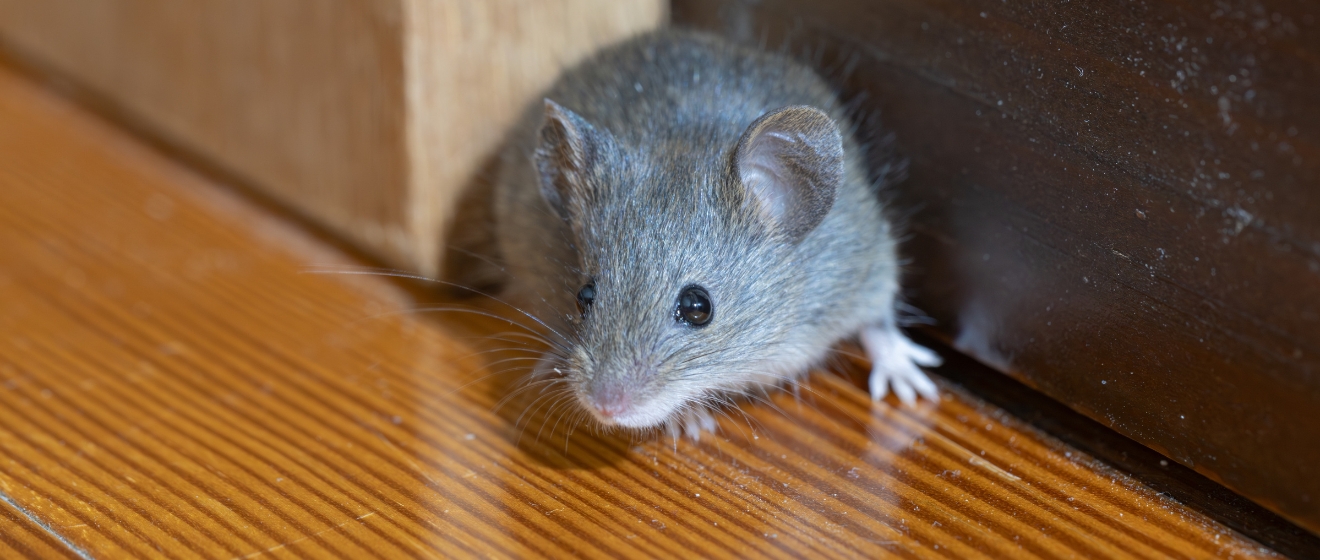
Mice can enter Boise homes during any month, but homeowners often notice them in fall. Cooler nights, changing food supplies, and the promise of protected shelter push mice to explore garages, crawl spaces, attics, and wall voids. The first evidence may appear well before winter weather arrives. Wild West Pest Control’s rodent control service helps homeowners find active mice, identify entry points, and build a practical plan before the problem grows.
Fall Activity Does Not Begin on One Exact Date
There is no single temperature that sends every mouse indoors. A mouse living near a home may already visit the garage or crawl space during summer. Fall simply increases the pressure as nights cool and outdoor cover changes. Irrigated properties, fields, canals, vacant lots, construction, and neighboring buildings can also influence when activity becomes noticeable.
Boise homeowners should begin checking for vulnerabilities in late summer and continue through fall. Waiting for the first freeze can leave enough time for mice to establish nesting areas. A quiet garage or attic offers protection even when daytime temperatures remain comfortable.
Early Signs Are Often Easy to Miss
Mouse droppings are one of the most recognizable signs. Fresh droppings are usually dark, while older ones become dull and dry. They may appear along walls, inside cabinets, behind appliances, near stored food, or on garage shelving. Homeowners should avoid sweeping or vacuuming rodent waste without appropriate precautions because the process can stir contaminated dust.
Other clues include gnawed food packaging, small holes in bags, shredded paper or insulation, and greasy rub marks along repeated travel paths. A stale or musky odor may develop in enclosed areas. Pets may stare at an appliance, cabinet, wall, or ceiling where they hear movement.
Nighttime sounds can include scratching, light scurrying, or gnawing. Sound travels through framing, so the apparent location is not always the actual nest. Activity heard in a bedroom wall may originate in an attic, crawl space, garage, or nearby void.
Common Fall Entry Routes
Mice can use surprisingly small openings. Gaps beneath garage doors, especially at the bottom corners, are common access points. Other routes include holes around plumbing and electrical lines, damaged vent screens, siding gaps, foundation openings, and transitions where additions or rooflines meet.
Vegetation and stored objects can help mice approach the structure unseen. Dense plants against the foundation, stacked materials, and firewood beside the house create cover. Tree limbs touching the roof can provide access to higher areas for various pests, although every roof-level noise should not automatically be blamed on a mouse.
Food and Water Keep Mice Around
Once inside, mice need reliable resources. Pantry goods in thin bags or cardboard are vulnerable. Birdseed, grass seed, livestock feed, and pet food stored in a garage can be especially attractive. Crumbs beneath appliances and food residue inside lower cabinets may support activity that is otherwise hard to detect.
Move vulnerable products into sturdy containers with tight lids. Clean spills promptly and avoid leaving pet bowls out overnight. Repair plumbing leaks and condensation issues. Trash containers should close securely, and accumulated clutter should be reduced so inspection and cleaning are easier.
Why One Mouse Sighting Deserves Attention
A mouse crossing an open room may be only one animal, but the sighting confirms that an entry route and suitable conditions exist. Mice usually prefer concealed travel along edges and behind objects. Seeing one during the day can occur for several reasons and does not, by itself, establish the size of the infestation.
The safest response is to look for supporting evidence and determine where the animal is traveling. Random trap placement may catch an individual without revealing how mice are entering. Poison used without a structured plan can create risks and may lead to rodents dying in inaccessible voids. Product placement must account for children, pets, and other animals.
What a Professional Inspection Adds
A rodent inspection connects evidence to the building. Technicians look for droppings, gnawing, nesting material, rub marks, travel routes, and exterior openings. They also consider garage doors, roof intersections, vents, utilities, crawl spaces, and food sources.
Control may include trapping or secured baiting, depending on the property and situation. Exclusion addresses openings with materials suited to the location. Monitoring then helps confirm whether activity has stopped. Sealing every visible crack before active rodents are addressed can sometimes trap them inside, so the sequence matters.
Prepare Before Boise Nights Turn Cold
Check door sweeps, weatherstripping, vent screens, and utility penetrations now. Clear clutter from walls so droppings and damage are visible. Store food and seed securely, trim dense vegetation near the foundation, and inspect the garage after dark for light showing beneath the door.
Fall prevention is easier when homeowners act on the first clue instead of waiting for repeated scratching or food damage. If mice are already active or the home has too many possible entry points to evaluate confidently, contact Wild West Pest Control for rodent help in Boise and throughout the Treasure Valley.