

Basements and garages are spider magnets in Boise homes, and understanding why these spaces attract spiders can help you make them less appealing. These areas provide the perfect combination of shelter, darkness, and prey that spiders need to thrive. Professional spider control in Boise can help reduce spider populations in these problem areas.
The Perfect Spider Environment
Basements and garages share several characteristics that make them ideal spider habitats:
- Darkness and limited disturbance: Spiders prefer areas where they won’t be frequently disturbed. Basements and garages offer dark corners, undisturbed walls, and spaces behind stored items where spiders can build webs and hunt without interference.
- Multiple entry points: These spaces typically have more cracks, gaps, and openings than the main living areas of your home. Foundation cracks, gaps around windows, spaces under garage doors, and openings around utility lines all provide easy access for spiders from outside.
- Abundant prey: Basements and garages often harbor other insects that spiders feed on—flies, moths, crickets, beetles, and other small arthropods. Where prey is abundant, spiders follow.
- Moisture: Many basements have elevated humidity levels or dampness from poor ventilation, plumbing condensation, or ground moisture. This attracts moisture-loving insects, which in turn attract spiders. Even garages can develop moisture issues from temperature fluctuations or stored wet items.
Why Basements Attract Specific Spider Species
Different spider species prefer basements for different reasons:
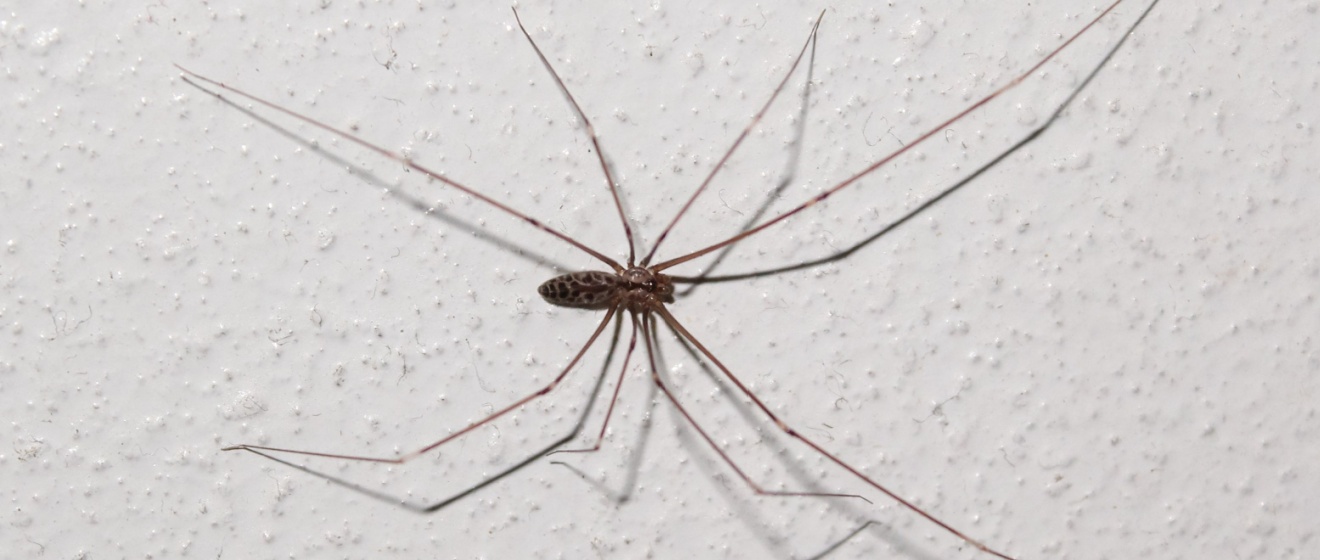
- Cellar spiders (daddy long-legs) are named for their love of basement environments. They thrive in dark, damp spaces and build loose, messy webs in corners and along ceiling joists. Their populations can grow quite large in undisturbed basements.
- House spiders build cobwebs in basement corners, window wells, and behind stored boxes. They’re opportunistic and take advantage of any quiet space where they can catch flying or crawling insects.
- Hobo spiders often enter basements through ground-level cracks and build funnel-shaped webs near the floor, particularly in unfinished basements with concrete floors and foundation walls.
- Wolf spiders don’t build webs but hunt actively on basement floors, especially in unfinished spaces. They’re often found near window wells or floor drains where other insects enter.
Why Garages Are Spider Hotspots
Garages present their own spider challenges:
- Direct outdoor access: Garage doors create large openings that spiders easily exploit, especially when gaps exist underneath or around the sides. Every time you open the garage door, you’re potentially inviting spiders inside.
- Storage and clutter: Stored items, seasonal decorations, sports equipment, and tools create countless hiding spots. Cardboard boxes are particularly attractive to spiders because they provide dark, enclosed spaces.
- Woodpiles and equipment: If you store firewood in or near your garage, you’re likely housing spiders. Equipment like lawnmowers, snowblowers, and grills that sit unused for periods become spider nesting sites.
- Connection to living spaces: Spiders that establish themselves in garages can eventually find their way into your home through shared walls, gaps around interior doors, or openings near where utilities pass through.
- Black widows in particular love garages because they provide the protected, undisturbed areas these spiders prefer. They build webs behind stored items, in corners, and underneath equipment where they’re unlikely to be bothered.
The Insect Connection
One of the primary reasons spiders inhabit basements and garages is the presence of other pests. Silverfish, crickets, flies, moths, and beetles commonly live in these spaces, providing a steady food source for spiders.
If you have a significant spider problem, it often indicates you also have populations of prey insects that need addressing. Eliminating the food source makes the environment much less attractive to spiders.
Making Basements and Garages Less Inviting
To reduce spider populations in these spaces:
- Reduce clutter: Organize storage, eliminate cardboard boxes in favor of sealed plastic bins, and keep items off floors when possible.
- Improve lighting: Spiders prefer darkness, so increasing natural or artificial light can make spaces less appealing. However, exterior lights can attract insects, so use yellow “bug lights” outside.
- Control humidity: Use dehumidifiers in damp basements to reduce moisture that attracts insects and creates favorable conditions for spiders.
- Seal entry points: Install door sweeps on garage doors, seal cracks in basement walls, and use weatherstripping around windows and doors.
- Remove webs regularly: Frequent web removal disrupts spiders and may encourage them to relocate elsewhere. Use a vacuum with a hose attachment or a long-handled duster.
- Address prey insects: Treating for the insects that spiders feed on removes their food source and makes the area less sustainable for spider populations.
Professional Treatment Options
For persistent spider problems in basements or garages, professional treatment targets both spiders and their prey insects. Technicians can apply treatments to cracks, corners, and entry points where spiders hide and travel and can recommend structural improvements to make these spaces less hospitable.
To learn more about spider control for your basement or garage, contact Wild West Pest Control for an inspection and customized treatment plan.