
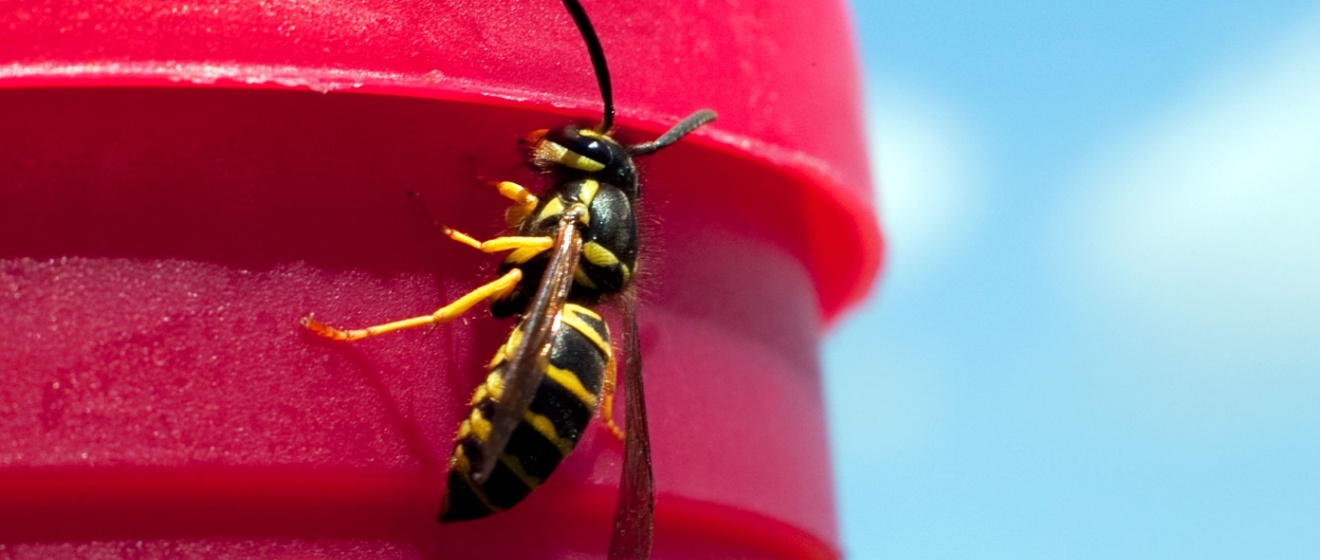
The Boise River Greenbelt is one of the most used recreational corridors in Idaho. It is a 25-mile stretch of paved pathway running alongside the Boise River through the heart of the city, bordered by cottonwood trees, vegetation, native shrubs, and open parkland. For the hundreds of thousands of people who use it each year for walking, cycling, and outdoor recreation, the Greenbelt is a genuine asset. It is also one of the most productive yellowjacket environments in the Treasure Valley, and the pest activity that originates in and around the Greenbelt affects homeowners whose properties border or sit near this corridor in ways that are not always immediately obvious.
Wild West Pest Control provides wasp and stinging insect control throughout Boise and the surrounding Treasure Valley, and yellowjacket activity along the Greenbelt is among the most consistent pest concerns we address for homeowners in this part of the city.
Why the Greenbelt Is Ideal Yellowjacket Habitat
Yellowjackets thrive in environments that provide three things consistently: food, nesting habitat, and warmth. The Greenbelt corridor provides all three in abundance from spring through fall.
Food sources along the Greenbelt are plentiful. The mix of recreational use and natural vegetation along the river creates a steady supply of the materials yellowjackets feed on. Yellowjacket colonies feed their larvae on protein—insects, spiders, and other arthropods—and the Greenbelt’s native vegetation supports high insect populations year-round. Adult yellowjackets also forage heavily for sugars, and the combination of fallen fruit from trees along the Greenbelt, food waste from picnicking and recreational use, and the sugary plant sap available in vegetation makes the corridor an exceptional foraging environment.
Nesting habitat is abundant. Yellowjackets that nest in the ground are drawn to the loose, sheltered soils found along riverbanks, under dense vegetation, and in the root zones of the large cottonwood trees that line the Greenbelt. These soils provide the protected cavities that ground-nesting yellowjackets require. Yellowjackets that nest in voids—inside hollow trees, in wood debris, and in any protected structural space—find equally suitable habitat in the dead wood and debris that accumulates in areas along the river.
The Greenbelt’s microclimate is warm and protected. The zone along the Boise River retains warmth longer into the fall than surrounding urban areas, and the dense vegetation provides wind protection that keeps nest temperatures more stable. Yellowjacket colonies along the Greenbelt can remain active well into October—later than colonies in more exposed locations—and reach larger sizes as a result.
How Greenbelt Yellowjacket Activity Affects Nearby Homes
The impact on residential properties near the Greenbelt follows predictable patterns tied to the colony lifecycle and seasonal foraging behavior.
Spring and early summer bring new colony establishment along the Greenbelt corridor. Queens that spent the winter in protected harborage near the river emerge in April and May and establish new nests in the ground and in vegetation. At this stage, colonies are small, and activity is concentrated in the immediate Greenbelt area. Homeowners near the Greenbelt may notice individual yellowjackets foraging but will not yet see the volume of activity that characterizes late summer.
Late summer—July through September—is when Greenbelt yellowjacket activity most directly affects residential properties. By midsummer, colonies that were established in spring have grown to thousands of workers. Foraging territory expands significantly as colony size increases. A large colony needs more food to sustain itself, and foraging workers range farther from the nest than they did earlier in the season. Properties within several hundred yards of the Greenbelt—including residential yards, patios, and outdoor dining areas—fall within the foraging range of large colonies based in the Greenbelt corridor.
This is the period when homeowners near the river experience yellowjackets investigating garbage cans, landing on food and drinks during outdoor meals, and accumulating around any food or sugar source in the yard. The yellowjackets are not nesting on these properties—they are foraging from nests in the Greenbelt—but the activity is persistent and aggressive, particularly in late August and September when colonies are at peak size and natural food sources begin to decline.
Fall behavioral shift compounds the late-summer problem. As temperatures drop and natural insect prey becomes scarcer in September and October, yellowjackets shift their foraging focus more heavily toward sugars and become more aggressive in competing for food resources. This is when encounters between yellowjackets and people near the Greenbelt become most frequent and most dangerous.
Properties Most Affected
Not all properties near the Greenbelt experience the same level of yellowjacket activity. Several factors determine which homes are most affected.
Proximity to the river corridor. Properties that back directly up to Greenbelt parkland or are within two to three blocks of the river consistently have higher yellowjacket activity than those farther away. The foraging range of a large colony can extend several hundred yards from the nest, but activity decreases with distance.
Outdoor food and drink. Yellowjackets are highly attracted to the sugars in fruit, soft drinks, juice, and any exposed food. Properties where outdoor dining, fruit trees, or open garbage cans are present have more yellowjacket activity than those without these attractants, regardless of distance from the Greenbelt.
Fruit trees. Properties near the Greenbelt with apple, pear, plum, or other fruit trees that drop fruit in late summer create highly attractive foraging sites. Fallen fruit fermenting on the ground is one of the most reliable yellowjacket attractants in late summer, and properties with fruit trees in proximity to Greenbelt colonies see significantly higher activity than those without.
Nesting on Residential Properties
While many of the yellowjackets affecting Greenbelt-adjacent homes are foraging from nests in the Greenbelt itself, residential properties near the river are also more likely to host their own yellowjacket nests than properties farther from this habitat. The conditions that make the Greenbelt productive yellowjacket territory—loose soil, vegetation, and wood debris—are also present in the yards of many properties along this corridor.
Ground nests in landscaping, under decks, and in lawn areas are common on Greenbelt-adjacent properties. Wall void nests in older homes near the river are also encountered regularly. A ground nest discovered during late-summer yard work—mowing, gardening, or moving outdoor furniture—can result in a significant defensive response from a colony that has been building since April.
Managing Yellowjacket Activity Near the Greenbelt
For homeowners whose properties border or sit near the Greenbelt, managing yellowjacket activity requires both addressing any nests on the property and reducing the attractants that draw foragers from Greenbelt colonies into the yard.
Nests on the property—in the ground, in wall voids, or in structures—should be treated professionally. Attempting to treat ground nests or wall void nests without protective equipment and appropriate products is hazardous, particularly for late-summer colonies with thousands of workers. Wild West Pest Control handles stinging insect elimination throughout Boise. Our stinging insect removal service covers nest location, safe removal, and treatment of the surrounding area to prevent re-nesting.
Reducing attractants—keeping garbage cans sealed, cleaning up fallen fruit promptly, covering food and drinks during outdoor meals, and eliminating standing water—reduces the foraging activity from Greenbelt colonies that cannot be directly addressed on private property.
For homeowners dealing with persistent yellowjacket activity near the Boise River Greenbelt, contact Wild West Pest Control for a free quote. We serve properties throughout Boise and the Treasure Valley and can assess the specific conditions driving activity on your property.