
After months of cold, grey winter—snow on the ground, frozen soil, short days—spring in Boise brings a welcome change. But it also brings a pest surge that catches many homeowners off guard. By May, ants are trailing through the kitchen. Spiders are in the garage. Wasps are building under the eaves. By July, mosquitoes own the backyard after sunset. If it feels like every bug in the Treasure Valley is active at once, that is essentially what is happening—and the biology behind it explains why the warm-season pest pressure in Boise is so intense and so concentrated.
The Biology: Temperature Drives Everything
Insects are ectothermic—their metabolism, movement, reproduction, and development are all governed by the temperature of their environment. When temperatures are cold, everything slows. When temperatures warm, everything accelerates.
As Boise’s daytime highs climb from the 40s in March to the 60s in April to the 80s and 90s by June, the entire insect ecosystem responds:
- Reproduction accelerates: Egg development, larval growth, and the time from egg to adult all compress as temperatures rise. An ant colony that produces a new generation every six weeks in cool conditions can produce one every three weeks in summer heat. More generations per season means faster population growth.
- Foraging intensifies: Warmer temperatures increase metabolic rates, which means insects need more food and water. Ant colonies send foragers farther from the nest. Cockroaches become more active in kitchens and bathrooms. Mosquitoes feed more frequently.
- The food web activates simultaneously: More plant growth supports more herbivorous insects. More herbivorous insects support more predatory insects. More insects of all kinds support more spiders. The entire ecosystem scales up together, and your home sits in the middle of it.
Boise-Specific Factors
Beyond the general biology, several conditions specific to the Treasure Valley amplify spring and summer pest activity:
- The irrigation effect: Boise is a high desert that averages only about 12 inches of rain per year. But during the growing season, every lawn, planting bed, and garden in the valley is irrigated. That irrigation creates standing water, saturated soil, and humid microclimates at the property level—conditions that support ant nesting near foundations; mosquito breeding in drainage areas; and moisture pest activity (earwigs, crickets, and centipedes) throughout irrigated landscapes.
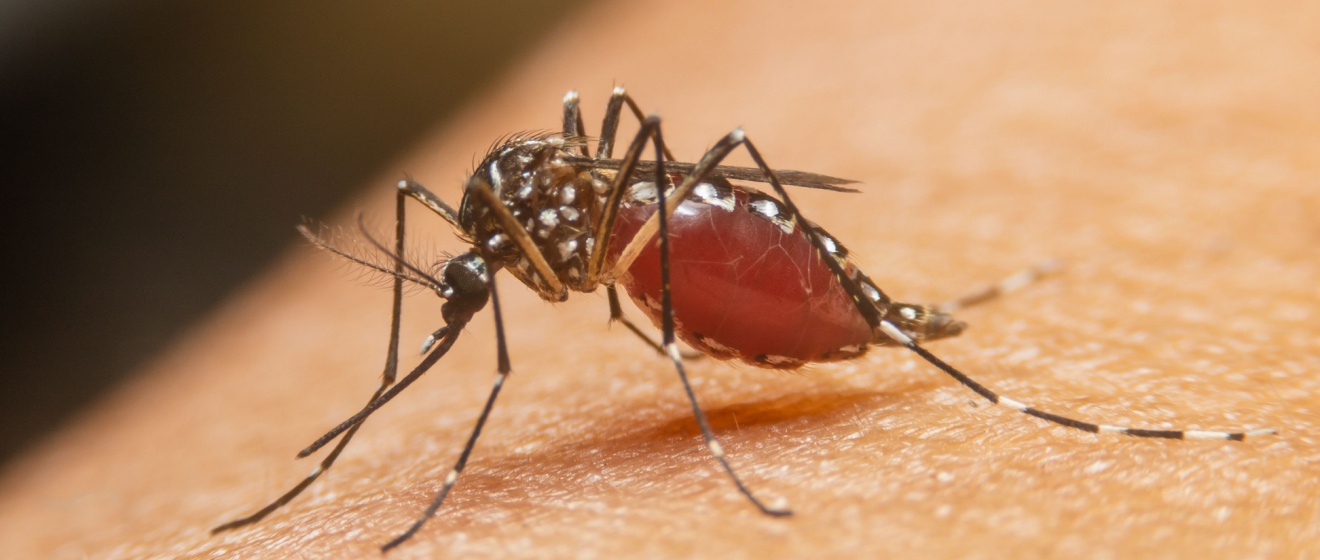
- The Boise River and canal system: The river corridor and the network of irrigation canals that run through the Treasure Valley create linear mosquito breeding habitat that stretches across the entire metro area. Homes near canals, ditches, and low-lying areas with poor drainage experience the heaviest mosquito pressure.
- Heat drives pests indoors: When Boise’s summer temperatures climb into the upper 90s and above 100 degrees, the ground surface becomes inhospitable for many insects. Ants, cockroaches, and earwigs seek the cooler, moister environment inside your air-conditioned home. This is why indoor ant trails and cockroach encounters peak during the hottest weeks of summer—the pests are not new arrivals; they are outdoor populations being pushed indoors by the heat.
- Longer days extend activity windows: Boise’s summer days are long—over 15 hours of daylight in June. That extended photoperiod gives diurnal insects more foraging time and gives nocturnal species (like cockroaches and certain spiders) longer warm evenings to be active.
The Monthly Progression
- March – April: Ant colonies resume foraging as soil warms. Spiders become more visible. Wasp queens emerge and begin building nests. Early mosquito breeding begins in standing water from snowmelt and spring rain.
- May – June: Activity accelerates across all categories. Ant trails intensify. Spider populations grow as prey becomes abundant. Wasp colonies expand. Mosquito populations increase. Earwigs, crickets, and beetles become active in landscaping.
- July – August: Peak season. The hottest temperatures push the most insects indoors. Wasps and yellow jackets reach maximum colony size and become aggressive. Mosquitoes peak. Spider populations are at their highest. This is the period where homeowners notice the most activity across the most species simultaneously.
- September: Activity remains high but begins transitioning. Wasps become most aggressive as food sources decline. Box elder bugs begin congregating on exterior walls. The fall rodent migration starts.
What Homeowners Can Do
Understanding that warm weather drives pest activity gives you a framework for timing prevention:
- Start pest control in early spring (March or April) before populations build—treating after the surge is more difficult and more expensive than getting ahead of it
- Manage irrigation to avoid creating standing water and saturated soil near the foundation
- Reduce exterior lighting or switch to yellow bulbs that attract fewer insects—and fewer of the spiders that follow them
- Trim vegetation back from the home to reduce harborage
- Seal entry points before the heat drives insects indoors
Wild West Pest Control designs its treatment programs around the Treasure Valley’s seasonal progression, with each visit adjusted to the specific pests active at that time of year. Quarterly and bi-monthly plans are available, with perimeter protection starting at $45 per month. Free inspections, no long-term contracts, and a 100% satisfaction guarantee.
If you want to get ahead of the spring and summer pest surge rather than reacting to it, contact Wild West Pest Control for a free quote.